
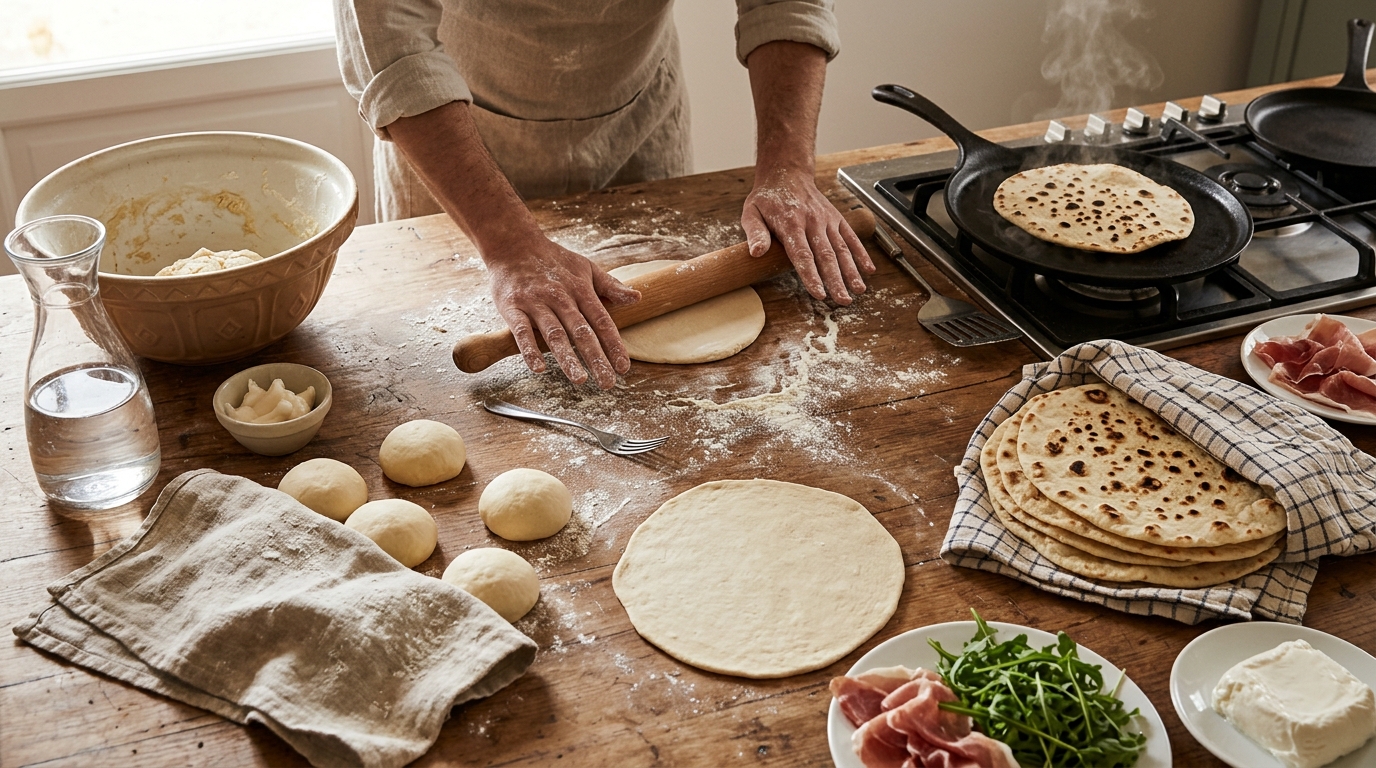
Imagine being able to create delicious and versatile flatbreads right in the comfort of your own kitchen. With just a few simple ingredients and a little bit of know-how, you can master the art of making Piadina flatbreads. These thin, Italian-style breads are perfect for wrapping up your favorite fillings or enjoying on their own. Get ready to impress your friends and family with your newfound culinary skills as you dive into the world of homemade Piadina flatbreads. Let’s get cooking!
Ingredients
Chocolate Chip Cookies: 2 1/4 cups all-purpose flour, 1/2 teaspoon baking soda, 1 cup unsalted butter, 1/2 cup granulated sugar, 1 cup packed brown sugar, 1 teaspoon salt, 2 teaspoons vanilla extract, 2 large eggs, 2 cups semisweet chocolate chips.
Optional Add-Ins: Chopped nuts, dried fruit, white chocolate chips, or toffee bits can be added to the cookie dough for extra flavor and texture.
Equipment: Mixing bowls, electric mixer, baking sheets, cooling racks, measuring cups and spoons, cookie scoop.
Instructions
Step 1: Preheat the oven to 350°F and grease a baking dish with butter or cooking spray.
Step 2: In a mixing bowl, combine the flour, sugar, baking powder, and salt. Mix well to ensure all ingredients are evenly distributed.
Step 3: In a separate bowl, whisk together the milk, melted butter, and eggs until well combined.
Step 4: Gradually pour the wet ingredients into the dry ingredients, stirring gently until just combined. Be careful not to overmix the batter.
Step 5: Gently fold in the blueberries until evenly distributed throughout the batter.
Step 6: Pour the batter into the prepared baking dish and spread it out evenly.
Step 7: Bake in the preheated oven for 40-45 minutes, or until the top is golden brown and a toothpick inserted into the center comes out clean.
Step 8: Remove from the oven and let the blueberry cobbler cool slightly before serving. Enjoy warm with a scoop of vanilla ice cream or a dollop of whipped cream.
Variations
1. Flavor Substitutions: One way to change up a recipe is by substituting different flavors. For example, if a recipe calls for vanilla extract, you could try using almond or peppermint extract instead. This simple swap can completely transform the taste of a dish and add a unique twist.
Ingredient Swaps: Another way to create variations is by swapping out ingredients. For instance, if a recipe includes chicken, you could try using tofu or mushrooms as a vegetarian alternative. Experimenting with different ingredients can lead to discovering new flavor combinations and textures.
Serving Suggestions
Serving Suggestions: When it comes to presenting your dish, consider adding a pop of color and flavor by garnishing with fresh herbs like parsley or cilantro. For a touch of elegance, serve the meal on a decorative platter or individual serving plates. Additionally, pairing the main course with a side of steamed vegetables or a crisp salad can provide a well-rounded and balanced meal. To enhance the dining experience, consider serving with a side of crusty bread or fluffy rice to complement the flavors of the main dish.
Beverage Pairings: To elevate the dining experience further, suggest beverage pairings such as a light and refreshing white wine for seafood dishes or a robust red wine for hearty meat dishes. For non-alcoholic options, consider serving a fruity iced tea or a sparkling water with a splash of citrus. Ultimately, the goal is to create a cohesive and harmonious dining experience by carefully considering the presentation and accompaniments to the main course.
Tips and Tricks
1. Prep Ahead: To save time, consider prepping ingredients in advance. Chop vegetables, mix dry ingredients, or marinate proteins the night before to streamline the cooking process.
Use Fresh Herbs: Fresh herbs can elevate the flavors of your dish. Consider growing a small herb garden or purchasing fresh herbs from the store to add a burst of freshness to your recipes.
Adjust Seasoning: Taste your dish as you cook and adjust seasoning accordingly. Remember that you can always add more salt, pepper, or spices, but it’s harder to fix an over-seasoned dish.
Cook Low and Slow: For tender and flavorful results, consider cooking certain dishes over low heat for a longer period. This method is great for stews, braises, and roasts.
Overall, this recipe offers a delightful combination of flavors and textures that are sure to impress your taste buds. By following the simple instructions and utilizing the right techniques, you can easily create a delicious dish that will be enjoyed by all.
Whether you are cooking for yourself, your family, or guests, this recipe is versatile and can be customized to suit different preferences. Don’t be afraid to experiment with variations and add your own personal touch to make it truly unique. Remember, cooking is a creative process, so have fun in the kitchen and enjoy the fruits of your labor!