
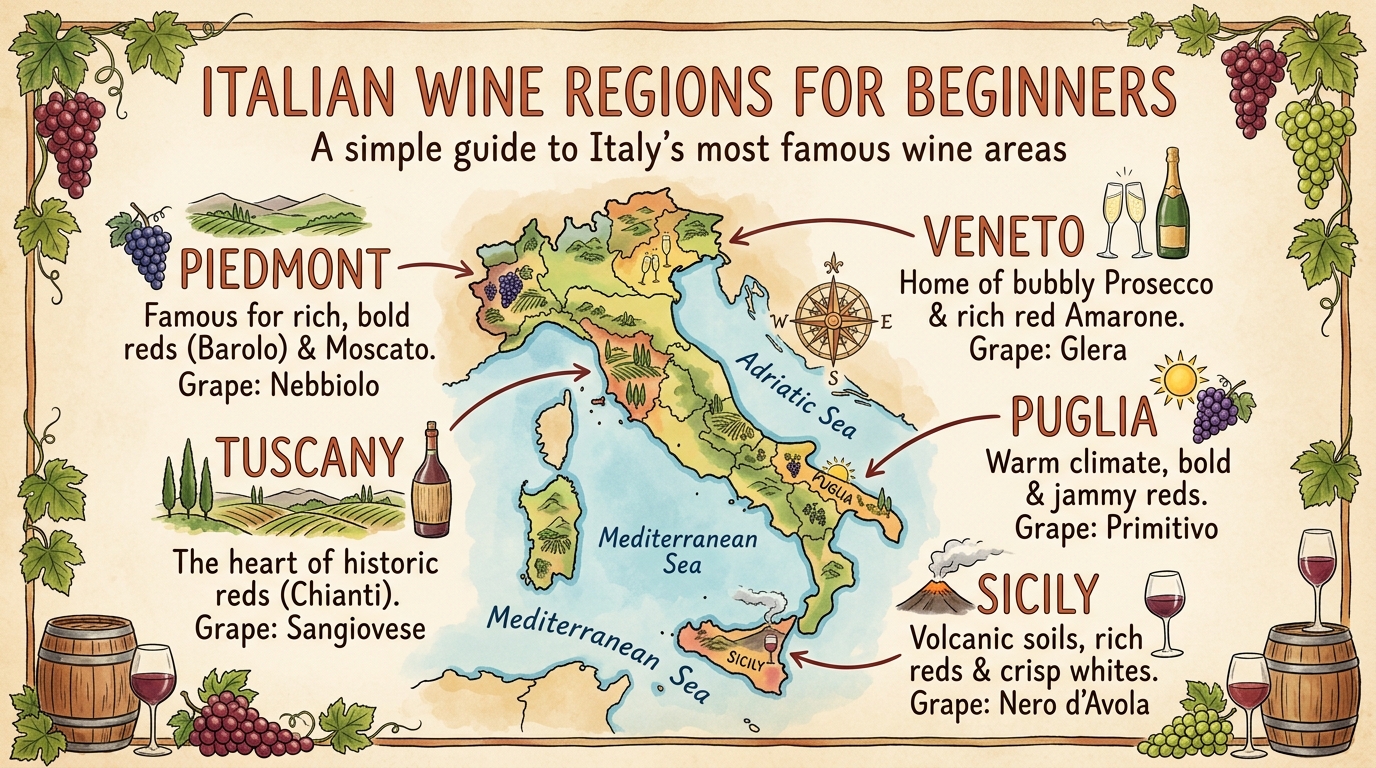
Imagine yourself sipping a glass of exquisite Italian wine, transported to the rolling hills of Tuscany or the sunny vineyards of Sicily. As a beginner wine enthusiast, navigating the diverse world of Italian wine regions may seem daunting at first, but fear not – I’m here to guide you through this delightful journey. From the lush landscapes of Piedmont to the coastal charm of Veneto, each region has its unique terroir and grape varieties waiting to be discovered. So, let’s uncork the secrets of Italian wine regions together and embark on a sensory adventure that will leave you craving for more exquisite sips of vino!
Tuscany: The Heart of Italian Wine
Tuscany holds a special place in the world of Italian wine, known for producing some of the most famous and highly-regarded wines in the country. The region is home to iconic wine areas such as Chianti, Brunello di Montalcino, and Vino Nobile di Montepulciano. Tuscany’s winemaking tradition dates back centuries, with vineyards set against the backdrop of picturesque landscapes, including rolling hills, cypress trees, and medieval villages.
One of the most well-known grape varieties in Tuscany is Sangiovese, which forms the backbone of many Tuscan wines, known for its bright acidity and cherry flavors. In addition to Sangiovese, Tuscany also cultivates other native and international grape varieties, offering a diverse range of wine styles to suit every palate. Visitors to Tuscany can enjoy wine tastings at historic wineries, explore charming wine towns, and savor traditional Tuscan cuisine paired with world-class wines.
“`html
Piedmont: Home of Barolo and Barbaresco
Piedmont is one of Italy’s most prestigious wine regions, renowned for producing some of the country’s finest red wines. The region is particularly famous for its production of two iconic wines: Barolo and Barbaresco. These wines are made from the Nebbiolo grape variety and are characterized by their complex flavors, high acidity, and strong tannins.
Barolo is often referred to as the “King of Wines” and is known for its ability to age beautifully, developing more nuanced flavors and aromas over time. Barbaresco, on the other hand, is considered the more approachable counterpart, with softer tannins and a shorter aging potential. Both wines are highly regarded by wine enthusiasts around the world and are a true reflection of Piedmont’s winemaking excellence.
“`
Veneto: Land of Prosecco and Amarone
Veneto is a region in northeast Italy known for producing two iconic types of wine: Prosecco and Amarone. Prosecco, a sparkling wine made primarily from Glera grapes, is one of the most popular sparkling wines in the world. It is light, refreshing, and often enjoyed as an aperitif. The Veneto region’s unique climate and terrain contribute to the quality and distinctive flavor profile of Prosecco, making it a favorite among wine enthusiasts.
Amarone, on the other hand, is a rich and full-bodied red wine made from dried Corvina, Rondinella, and Molinara grapes. The grapes are carefully dried on racks before fermentation, resulting in a concentrated and complex wine with notes of dark fruit, spice, and a velvety texture. Amarone is highly regarded for its aging potential and is often considered a luxurious wine choice for special occasions. Veneto’s winemaking traditions and dedication to quality have solidified its reputation as a land of exceptional wines, with Prosecco and Amarone leading the way in global recognition.
Sicily: A Mediterranean Wine Paradise
Sicily is renowned for being a Mediterranean wine paradise, offering a unique combination of old-world winemaking traditions and modern techniques. The island’s diverse microclimates, fertile volcanic soils, and ample sunshine create an ideal environment for grape cultivation. Sicily is known for producing a wide range of wines, from crisp whites to full-bodied reds, as well as delicious dessert wines.
One of the standout grape varieties of Sicily is Nero d’Avola, which thrives in the island’s warm climate and produces rich, fruity red wines. In addition to indigenous grapes, international varieties like Chardonnay and Syrah are also successfully grown in Sicily. Visitors to the region can explore vineyards nestled between stunning landscapes, taste unique wines, and experience the rich cultural heritage that influences Sicilian winemaking.
Puglia: Italy’s Hidden Wine Gem
Puglia, located in the southern part of Italy, is often referred to as Italy’s hidden wine gem due to its rich history of winemaking and unique grape varieties. The region is known for producing bold and robust red wines, such as Primitivo and Negroamaro, as well as crisp and refreshing white wines like Fiano and Verdeca.
One of the key factors that sets Puglia apart from other Italian wine regions is its focus on indigenous grape varieties, which thrive in the region’s warm climate and fertile soil. Visitors to Puglia can explore picturesque vineyards, historic wineries, and charming wine towns while enjoying the distinct flavors and aromas of wines that reflect the region’s terroir.
Conclusion and Further Exploration
Conclusion: Italian wines offer a diverse and rich tapestry of flavors, aromas, and styles that cater to wine enthusiasts around the world. From the iconic Chianti of Tuscany to the bold Barolo of Piedmont, each region showcases unique terroirs and grape varieties that contribute to Italy’s esteemed winemaking tradition. Exploring Italian wines can be a rewarding experience, allowing wine lovers to delve into centuries-old traditions and modern innovations alike.
Further Exploration: For those interested in delving deeper into the world of Italian wines, there are endless opportunities for further exploration. Consider visiting Italian wine regions to experience firsthand the beauty of vineyards and the passion of winemakers. Attend wine tastings, festivals, and events to expand your knowledge and palate. Additionally, explore Italian wine education programs, books, and online resources to deepen your understanding of the diverse Italian wine landscape. Whether you are a novice or a seasoned wine connoisseur, the world of Italian wines offers endless possibilities for discovery and enjoyment.