
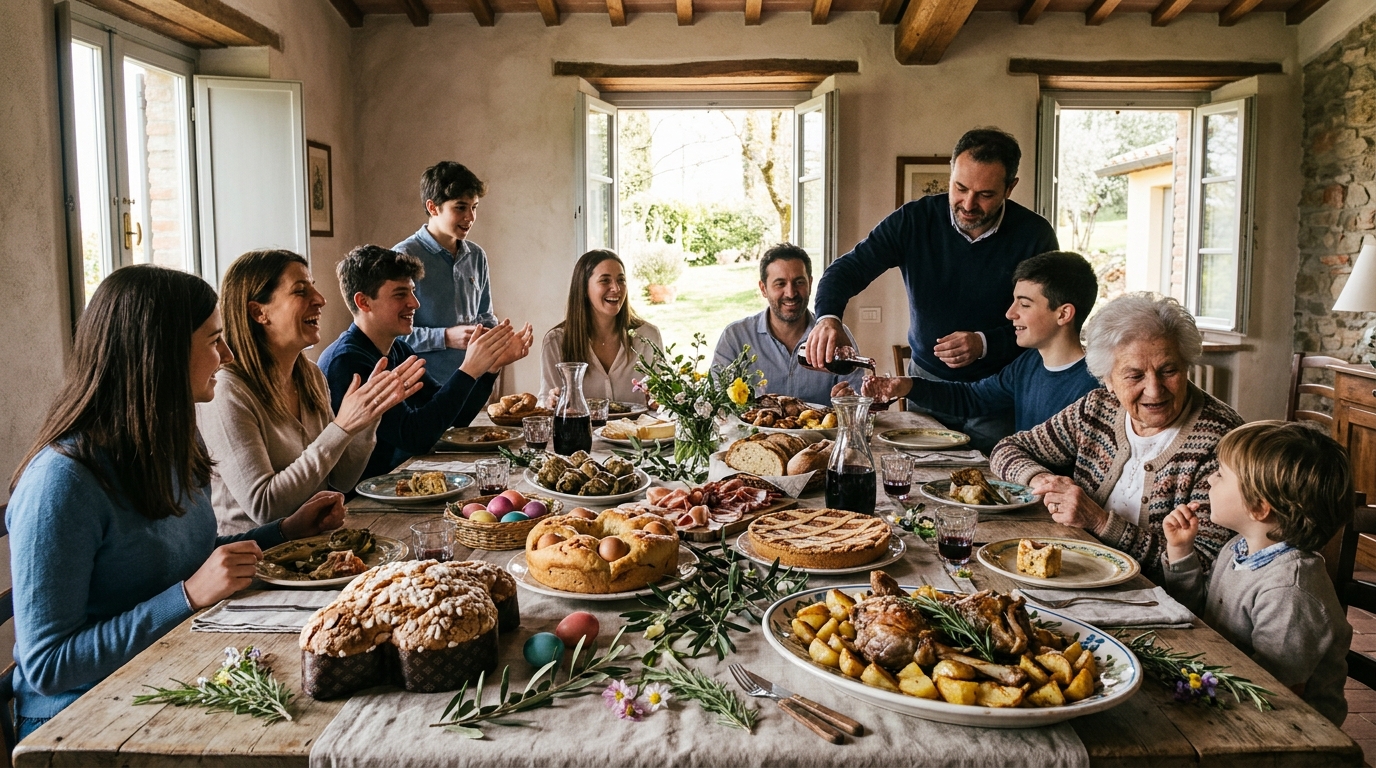
Looking to add a flavorful twist to your Easter celebration this year? Dive into the rich culinary heritage of Italy with a delightful array of Easter recipes and traditions that are sure to tantalize your taste buds and warm your heart. From savory dishes like lamb stew and artichoke frittata to sweet treats like colomba di Pasqua and pastiera, Italian Easter cuisine is a feast for the senses. Discover the stories behind these beloved dishes and embrace the spirit of togetherness and joy that infuses every bite. Get ready to bring a touch of la dolce vita to your Easter table this year with these mouthwatering Italian recipes and traditions.
History of Easter in Italy
Easter in Italy has deep roots in religious and cultural traditions dating back centuries. The celebration of Easter, known as “Pasqua” in Italian, is a significant event in the country, marking the resurrection of Jesus Christ. Italy’s history with Easter is intertwined with the history of Christianity, as the country has been a center of Catholicism for centuries.
Throughout the years, various rituals and customs have evolved surrounding Easter in Italy, such as religious processions, church services, and the creation of intricate Easter decorations. The observance of Easter in Italy is a time of reflection, joy, and community, with each region of the country having its unique way of commemorating this important holiday.
Traditional Italian Easter Foods
Italian Easter is a time when families come together to celebrate with a variety of traditional foods that have been passed down through generations. One of the most iconic dishes is the Capretto, a roasted baby goat that symbolizes new life and rebirth. This dish is often accompanied by a side of artichokes, which are in season during the spring and represent hope and prosperity.
Another staple of the Italian Easter table is the Torta di Pasqua, a savory bread filled with cheese and cured meats. This dish is a symbol of abundance and is often enjoyed as part of a leisurely Easter brunch. For dessert, Italians indulge in the famous Colomba di Pasqua, a sweet bread shaped like a dove and studded with candied fruits and almonds. This dessert symbolizes peace and the arrival of spring, making it a fitting end to a festive Easter meal.
Recipe: Easter Colomba Cake
Easter Colomba Cake is a traditional Italian Easter dessert that resembles a dove, symbolizing peace and resurrection. This delicious cake is a sweet bread filled with candied fruits and topped with almonds and sugar, giving it a delightful crunch. Colomba cake is typically enjoyed during the Easter season in Italy, making it a staple dessert for many families.
Creating an Easter Colomba Cake involves a process of making a soft and airy dough, shaping it into a dove-like form, and allowing it to rise before baking to perfection. The final touch of a sugar glaze and additional almonds adds a beautiful finishing touch to this festive treat. Whether enjoyed as part of a holiday meal or given as a gift to loved ones, Easter Colomba Cake is a delightful and symbolic dessert that brings joy and tradition to the Easter celebration in Italy.
Recipe: Torta Pasqualina (Easter Pie)
Torta Pasqualina, also known as Easter Pie, is a traditional savory pie that originated in Italy. This delicious dish is typically served during the Easter holiday season and consists of a flaky pastry crust filled with a mixture of ricotta cheese, spinach, and eggs. The name “Torta Pasqualina” translates to “Easter Cake,” highlighting its significance as a festive dish during Easter celebrations in Italy.
To make Torta Pasqualina, start by preparing the pastry dough and letting it rest. Meanwhile, sauté the spinach with garlic and onion until wilted, then mix it with ricotta cheese, Parmesan, and eggs. Roll out the pastry dough and line a pie dish, then add the spinach and cheese mixture. Make wells in the filling and crack eggs into them before baking until the pastry is golden and the eggs are set. Once baked, the Torta Pasqualina is typically served warm or at room temperature, making it a perfect addition to any Easter gathering.
Easter Egg Traditions in Italy
Easter egg traditions in Italy are deeply rooted in symbolism and religious significance. Eggs, representing new life and rebirth, are a common sight during Easter celebrations in Italy. One of the most popular traditions is the art of decorating eggs, known as “uova di Pasqua.” These eggs are often beautifully painted with intricate designs and vibrant colors, making them a cherished gift exchanged among family and friends.
Another tradition is the “egg cracking” game, where participants tap their eggs against each other to see whose egg remains uncracked. The last unbroken egg is believed to bring good luck to its owner. In some regions of Italy, eggs are also used in traditional Easter dishes, such as the “Torta Pasqualina” (Easter Pie), where whole eggs are baked into the savory pie symbolizing the resurrection of Christ.
In conclusion, Easter in Italy is a time of joy, tradition, and delicious food. It is a holiday deeply rooted in religious customs and cultural practices that have been passed down through generations. From the historical significance of Easter to the traditional foods enjoyed during this time, Italians celebrate this holiday with reverence and enthusiasm.
As Easter approaches, families come together to partake in festive meals, exchange Easter eggs, and attend religious services. The Easter traditions in Italy reflect a blend of religious observances and regional customs, making it a unique and special time of year for Italians across the country. Whether it’s enjoying a slice of Colomba cake or participating in egg hunts, Easter in Italy is a time for celebration, reflection, and togetherness.