
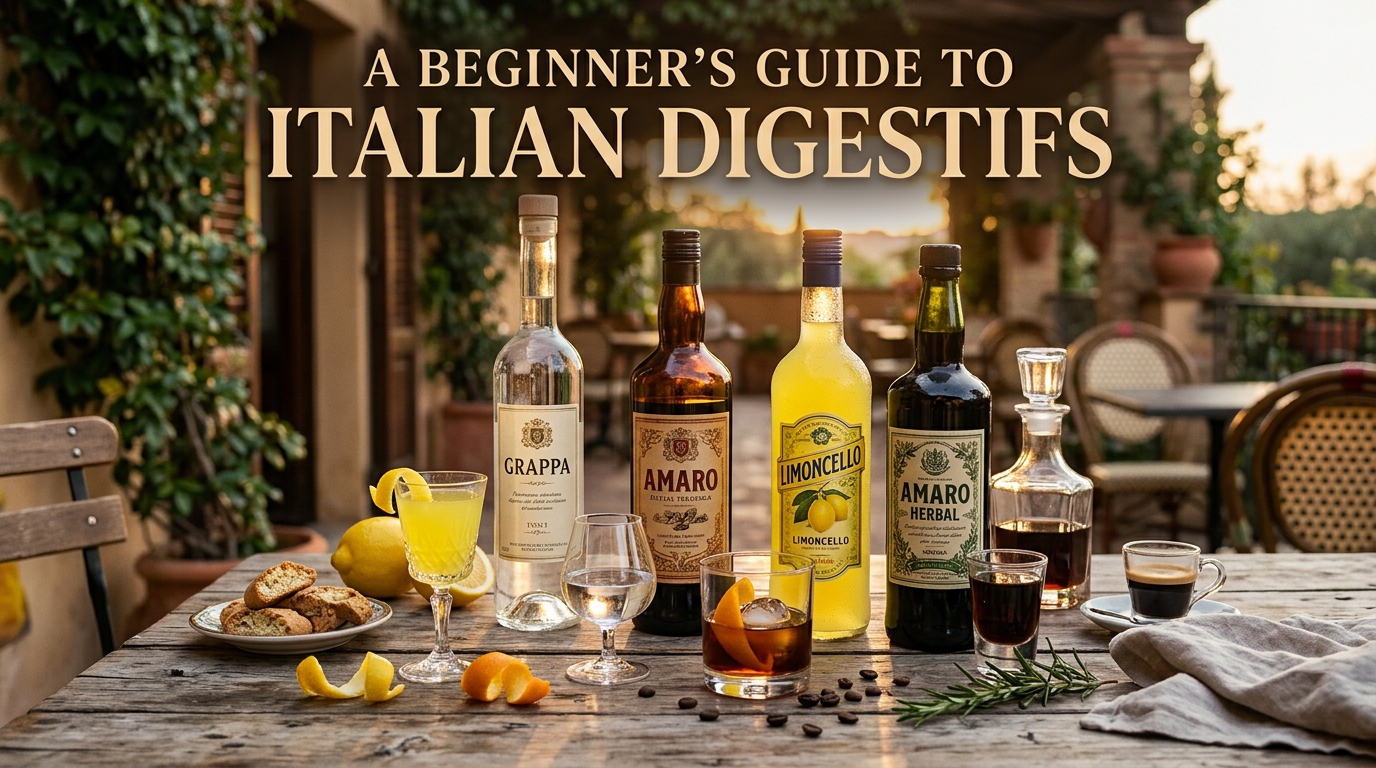
Have you ever wondered how to end a perfect Italian meal in style? Look no further than Italian digestifs! These delightful after-dinner spirits are the secret weapon of any true connoisseur. From the bittersweet Amaro to the aromatic Limoncello, each digestif offers a unique taste of Italy’s rich culinary heritage. So, if you’re ready to elevate your dining experience and impress your guests, this beginner’s guide to Italian digestifs is your ticket to becoming a true aficionado of Italian gastronomy. Let’s dive into the world of these flavorful elixirs and discover the perfect way to conclude your next Italian feast. Salute!
History of Italian Digestifs
Italian digestifs have a rich history that dates back centuries. The tradition of consuming digestifs after a meal originated in Italy as a way to aid digestion and cleanse the palate. The practice of crafting herbal-infused spirits for medicinal purposes can be traced back to monks in the Middle Ages. These early concoctions eventually evolved into the diverse range of digestifs we enjoy today.
During the Renaissance period, Italian nobility embraced the culture of digestifs, further popularizing these beverages across Europe. The 19th century saw a surge in the production of Italian digestifs, with distilleries creating unique recipes using local herbs, fruits, and spices. Today, Italian digestifs are not only cherished for their digestive properties but also for their intricate flavors and cultural significance.
Types of Italian Digestifs
Amari: Amari are bitter herbal liqueurs that are typically consumed after a meal to aid digestion. Popular examples include Campari, Aperol, and Fernet-Branca. Each amaro has its own unique blend of herbs, spices, and botanicals, resulting in a wide range of flavors from citrusy and floral to intensely bitter.
Grappa: Grappa is a strong grape-based pomace brandy that is often enjoyed as a digestif. It is made by distilling the grape skins, seeds, and stems leftover from winemaking. Grappa can vary in flavor depending on the grape varietals used and the distillation process, with some being smooth and fruity while others are more robust and fiery.
Limoncello: Limoncello is a sweet and tangy lemon liqueur that is popular in Southern Italy, especially along the Amalfi Coast. It is made by steeping lemon zest in alcohol and combining it with a simple syrup. Limoncello is typically served chilled in small glasses and is known for its refreshing and citrusy flavor.

How to Enjoy Italian Digestifs
Italian digestifs are best enjoyed after a meal, as they are traditionally consumed to aid digestion. To fully appreciate the flavors and aromas of these beverages, it is recommended to serve them slightly chilled but not over ice. This allows the nuances of the drink to shine without being diluted by melting ice.
When serving Italian digestifs, consider using small, tulip-shaped glasses to concentrate the aromas. Sip the digestif slowly, savoring each sip to fully experience the complexity of flavors. Some popular Italian digestifs, such as limoncello or amaro, can also be enjoyed in cocktails for a unique twist on traditional recipes.
Top Italian Digestif Brands
Italy is home to a wide variety of renowned digestif brands that offer an array of flavors and experiences to suit every palate. Here are some of the top Italian digestif brands that have gained international recognition:
Fernet-Branca
Fernet-Branca is a popular Italian digestif known for its complex blend of herbs and spices. It has a strong and bitter flavor profile that is often enjoyed as a post-meal drink to aid digestion. Fernet-Branca has a long history dating back to 1845 and continues to be a favorite among discerning drinkers worldwide.
Averna
Averna is another well-known Italian digestif that originated in Sicily. This dark and aromatic liqueur is made from a secret recipe of herbs, roots, and citrus rinds, resulting in a rich and slightly sweet flavor profile. Averna is often served on the rocks or used in cocktails, making it a versatile choice for those looking to explore the world of Italian digestifs.
Limoncello di Capri
Limoncello di Capri is a refreshing lemon-flavored digestif that hails from the picturesque island of Capri. Made from the zest of local Sorrento lemons, this liqueur is characterized by its vibrant yellow color and bright citrus notes. Limoncello di Capri is best served chilled as a refreshing way to conclude a meal, offering a taste of the Italian sunshine in every sip.
Pairing Italian Digestifs with Food
Pairing Italian digestifs with food is a delightful way to enhance the dining experience and elevate the flavors of both the drink and the dish. When selecting a digestif to pair with food, it is essential to consider the flavors and characteristics of both the drink and the cuisine. Italian digestifs, such as limoncello, amaro, or grappa, offer a wide range of flavors that can complement various types of food.
For a harmonious pairing, consider matching the intensity of the digestif with the richness of the dish. Lighter digestifs, like limoncello, are excellent choices to accompany light desserts or seafood dishes, while bolder options such as amaro can stand up to richer, meatier flavors. Additionally, consider contrasting flavors to create a balance – pairing a sweet digestif with a savory dish can create a unique and satisfying combination for the palate. Experimenting with different pairings can lead to discovering new and exciting flavor combinations that enhance the overall dining experience.
Making Italian Digestifs at Home
Making your own Italian digestifs at home can be a rewarding and fun experience. By crafting these traditional after-dinner drinks in your own kitchen, you have the opportunity to tailor the flavors to your preferences and impress your guests with a homemade touch. One popular homemade digestif is limoncello, a lemon-flavored liqueur that is simple to make and perfect for sipping.
To make limoncello at home, you will need lemons, high-proof alcohol, water, and sugar. The process involves steeping lemon zest in alcohol, creating a flavorful infusion that is then sweetened with a sugar syrup. After a period of aging, the limoncello is ready to be enjoyed on its own or used in cocktails. Experimenting with different ingredients and flavors can lead to unique creations that showcase your creativity and personal taste.