
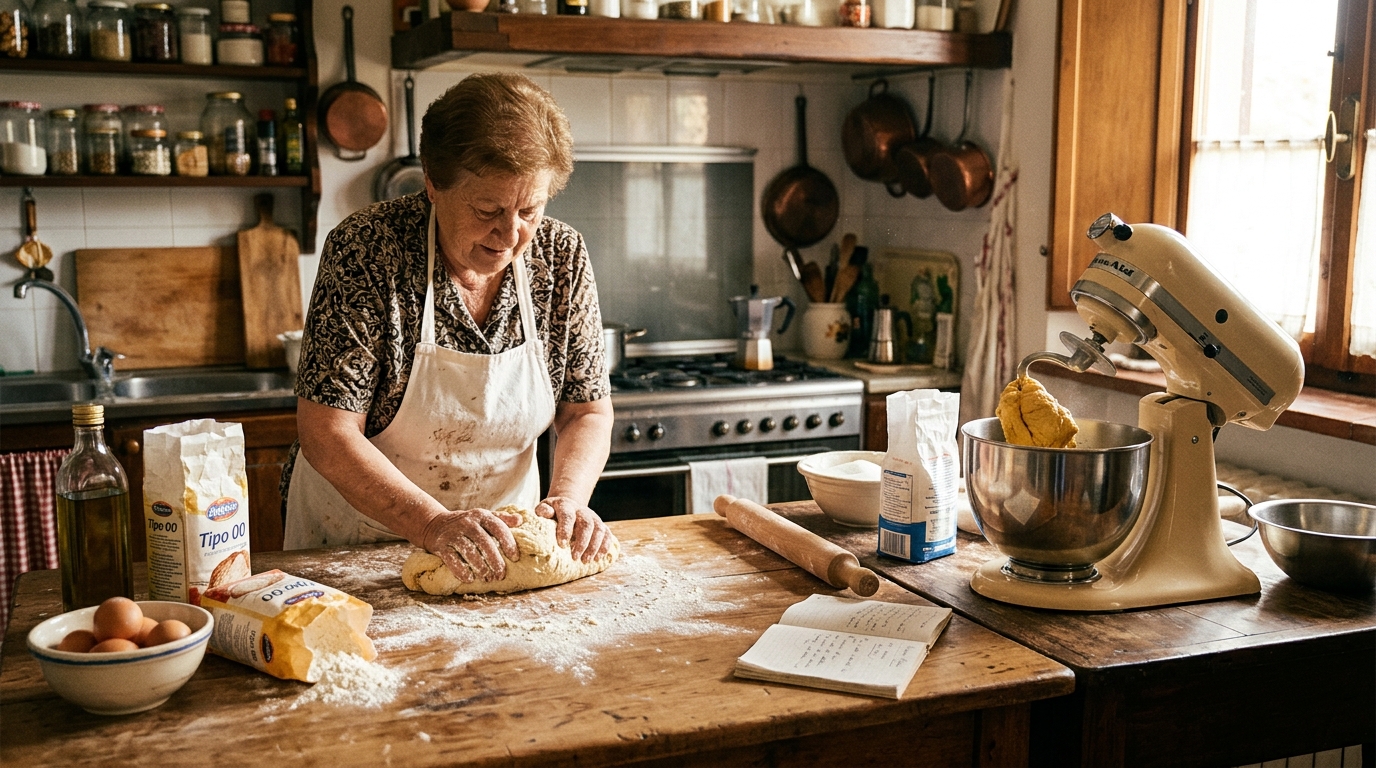
Are you dreaming of mastering the art of Italian baking in your own kitchen? Picture yourself crafting perfect pasta dough, fluffy focaccia, and decadent tiramisu. But wait – do you really need to invest in a stand mixer to achieve those authentic Italian flavors? The answer might surprise you. While a stand mixer can certainly make your baking endeavors easier and more efficient, it’s not always a necessity. Many traditional Italian recipes can be successfully made by hand, with just a few basic tools and a sprinkle of patience. So, whether you’re a seasoned baker looking to up your game or a beginner eager to dive into the world of Italian sweets and savories, don’t let the lack of a stand mixer deter you from embarking on this delicious culinary journey.
History of Italian Baking
Italian baking has a rich history dating back centuries, influenced by various cultures and regions within Italy. The tradition of baking in Italy is deeply rooted in using simple, high-quality ingredients like olive oil, flour, and fresh herbs. Ancient Roman bakers were known for producing a variety of bread and pastries, setting the foundation for what would later become traditional Italian baked goods.
During the Renaissance period, Italian bakers refined their techniques and recipes, creating iconic treats such as biscotti, panettone, and cannoli. The spread of Italian baking traditions across Europe and the rest of the world can be attributed to Italian immigrants who brought their recipes and skills with them. Today, Italian baking continues to evolve, blending innovation with time-honored practices to produce a wide range of delicious pastries and breads.
Types of Italian Baked Goods
Italian baked goods are beloved around the world for their delicious flavors and variety. One popular type of Italian baked good is focaccia, a flat oven-baked bread that can be topped with a variety of ingredients such as herbs, cheese, or vegetables. Focaccia is often served as an appetizer or alongside a meal.
Another classic Italian baked good is cannoli, a pastry tube filled with a sweet, creamy filling typically made with ricotta cheese. Cannoli are often enjoyed as a dessert or snack and can be found in many Italian bakeries. Additionally, tiramisu is a well-known Italian dessert made with layers of coffee-soaked ladyfingers and a mascarpone cheese mixture, topped with cocoa powder.
Traditional Italian Baking Techniques
Traditional Italian baking techniques are deeply rooted in centuries-old culinary traditions that prioritize simplicity, quality ingredients, and skillful execution. One of the key techniques used in Italian baking is the method of “pan di spagna,” which translates to “bread of Spain.” This technique involves making a light and airy sponge cake by carefully folding together eggs, sugar, and flour to create a delicate texture that serves as the base for many Italian desserts like tiramisu and zuppa inglese.
Another essential technique in Italian baking is the art of making fresh pasta from scratch. Italians take great pride in their pasta-making skills, using a combination of semolina flour and water to create a dough that is rolled out and shaped into various pasta shapes like tagliatelle, ravioli, and orecchiette. This hands-on approach to pasta-making results in a distinct texture and flavor that is unmatched by store-bought alternatives, showcasing the craftsmanship and dedication to tradition that are hallmarks of Italian baking.
Pros and Cons of Using a Stand Mixer
Pros: Stand mixers are versatile kitchen appliances that can save time and effort when baking. They are powerful machines that can handle tough tasks like kneading bread dough, mixing thick batters, and whipping cream. Stand mixers also offer hands-free operation, allowing the baker to multitask while the mixer does the work. Additionally, stand mixers often come with various attachments, such as dough hooks, paddle attachments, and whisk attachments, expanding their functionality to different baking needs.
Cons: On the downside, stand mixers can be bulky and take up a significant amount of counter space in the kitchen. They are also an investment, with higher-end models being quite expensive. Cleaning a stand mixer can be a bit cumbersome, especially with all the attachments and different parts that need to be washed separately. Some bakers also argue that using a stand mixer can sometimes overmix or undermix ingredients if not used properly, leading to less than ideal baking results.
Alternatives to Stand Mixers
Hand Mixing: One of the most traditional and basic alternatives to using a stand mixer is hand mixing. This method involves using a simple whisk, spoon, or spatula to combine ingredients manually. While it requires more effort and time compared to using a stand mixer, hand mixing allows for better control over the texture and consistency of the dough or batter. It is a preferred method for certain recipes that require a lighter touch or when a stand mixer is not available.
Handheld Electric Mixers: Handheld electric mixers are another popular alternative to stand mixers. These compact and affordable devices come with different attachments, such as beaters and dough hooks, to help mix ingredients effectively. Handheld electric mixers are convenient for small batches of dough or batter and are easier to store in a kitchen with limited space. While they may not have the same power and capacity as stand mixers, handheld electric mixers are versatile tools that can handle a variety of baking tasks.
Italian baking is a rich culinary tradition that has stood the test of time, offering a wide variety of delicious baked goods that are enjoyed around the world. From classic favorites like tiramisu and cannoli to regional specialties like panettone and sfogliatelle, Italian baked goods showcase the diversity and creativity of Italian cuisine.
Whether you’re a seasoned baker or just starting out, exploring the world of Italian baking can be a rewarding experience. By learning about the history, techniques, and types of Italian baked goods, you can not only expand your culinary skills but also gain a deeper appreciation for the cultural significance of these delectable treats. So roll up your sleeves, preheat your oven, and start baking your way to a taste of Italy!