
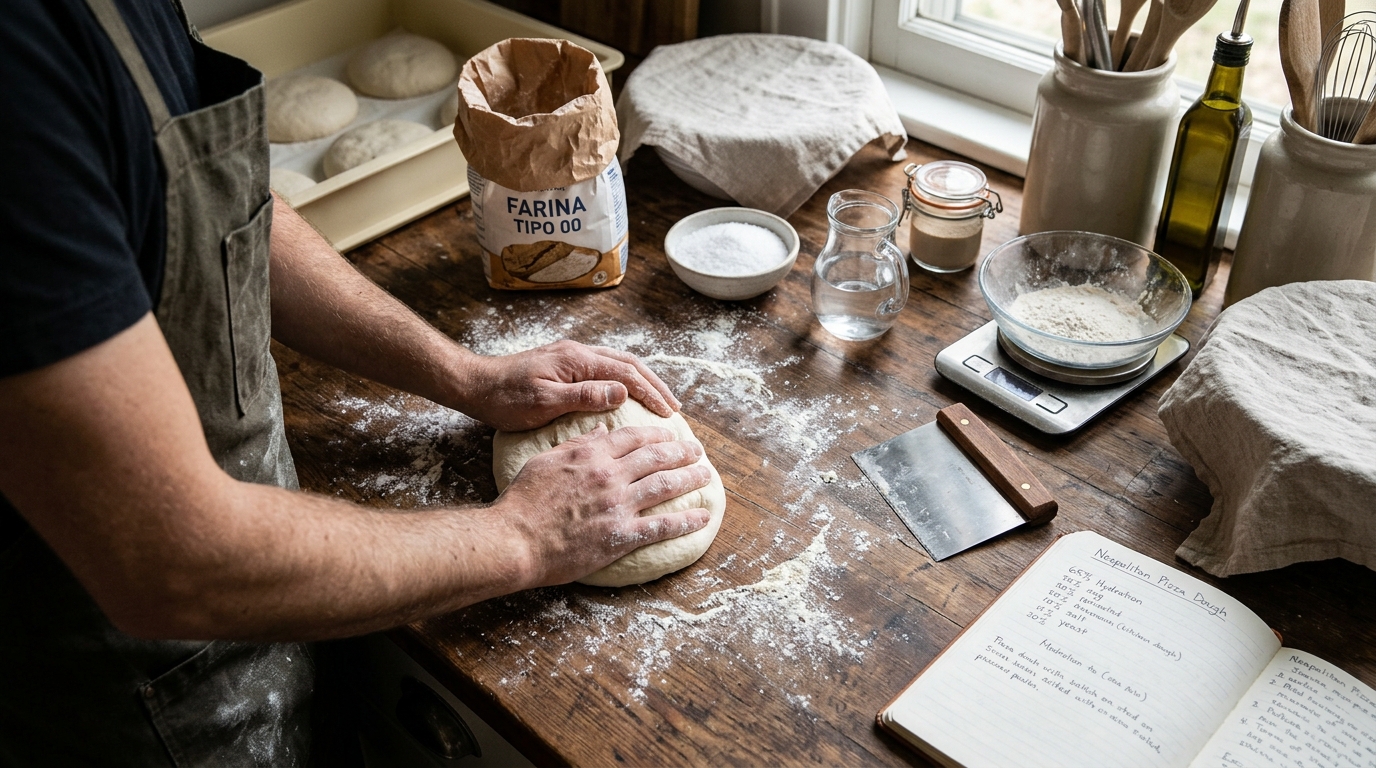
Hey pizza lovers! Have you ever dreamed of creating that perfect, authentic Neapolitan pizza right in the comfort of your own kitchen? Well, get ready to roll up your sleeves and dive into the world of homemade pizza dough that will transport you straight to the streets of Naples.
From the simplicity of the ingredients to the precise technique required, mastering the art of Neapolitan pizza dough is a journey worth taking. With just a few key tips and tricks, you’ll be on your way to crafting a chewy, flavorful crust that’s sure to impress even the most discerning pizza aficionados. So, grab your flour, yeast, and salt, and let’s embark on a culinary adventure that will elevate your homemade pizza game to a whole new level.
Ingredients
Neapolitan Pizza Dough: To make authentic Neapolitan pizza dough, you will need 00 flour, water, salt, and fresh yeast. The use of 00 flour is crucial as it is finely ground, resulting in a light and airy crust. Water should be at room temperature, and salt is essential for flavor. Fresh yeast provides the best results, but you can substitute with active dry yeast if needed.
Optional Ingredients: While the traditional Neapolitan pizza dough requires only basic ingredients, you can add a touch of olive oil for extra flavor and a slightly softer texture. Some recipes may also call for a small amount of sugar to help activate the yeast. These optional ingredients can be adjusted based on personal preference.
Equipment
Neapolitan Pizza Dough requires some essential equipment to ensure the dough is prepared correctly. You will need a large mixing bowl to combine the ingredients thoroughly. A kitchen scale is also crucial for accurately measuring the flour and water to achieve the perfect dough consistency. Additionally, a stand mixer with a dough hook attachment can make the kneading process much easier and more efficient.
For proofing the dough, you will need a clean kitchen towel or plastic wrap to cover the bowl. A warm, draft-free area, such as an oven with the light on, can help the dough rise properly. Lastly, a pizza stone or baking steel is essential for achieving that classic crispy crust that Neapolitan pizza is known for. Preheat the stone or steel in the oven to ensure it reaches the high temperatures necessary for a perfect bake.
Steps to Make Neapolitan Pizza Dough
Step 1: In a large mixing bowl, combine 500g of Tipo 00 flour and 300ml of water. Mix until a shaggy dough forms.
Step 2: Add 10g of salt to the dough and continue to mix until well incorporated. Cover the bowl with a damp cloth and let it rest for 20 minutes.
Step 3: After the resting period, knead the dough on a lightly floured surface for about 10-15 minutes until it becomes smooth and elastic.
Step 4: Place the dough back into the bowl, cover, and let it rise at room temperature for 6-8 hours or until doubled in size.
Step 5: Once the dough has risen, divide it into individual portions and shape them into balls. Let the dough balls rest for another 2 hours before stretching them out into pizza bases.
Tips for Success
1. Use high-quality ingredients: The key to a delicious Neapolitan pizza is using the best quality ingredients. Opt for San Marzano tomatoes, fresh mozzarella cheese, and extra virgin olive oil for an authentic taste.
Properly preheat your oven: Neapolitan pizzas are traditionally cooked in a wood-fired oven that reaches temperatures of around 800°F (430°C). If using a home oven, preheat it to the highest temperature possible and use a pizza stone to mimic the effect of a wood-fired oven.
Keep it simple: Neapolitan pizza is all about simplicity and minimalism. Avoid overloading your pizza with toppings as this can weigh down the dough and prevent it from cooking properly.
Work quickly: Once you’ve assembled your pizza, work quickly to transfer it to the oven. The longer the pizza sits before baking, the more likely it is to become soggy and lose its shape.
Practice makes perfect: Making Neapolitan pizza dough can be a bit tricky at first, but with practice, you’ll get the hang of it. Don’t get discouraged if your first few attempts aren’t perfect – keep trying and adjusting until you achieve the desired result.
Variations and Toppings
Variations: Neapolitan pizza is known for its simplicity, but there are endless variations you can try to suit your taste preferences. One popular variation is adding different types of cheeses such as mozzarella di bufala, gorgonzola, or pecorino romano. You can also experiment with adding ingredients like prosciutto, arugula, mushrooms, or truffle oil for a gourmet twist. For a vegetarian option, consider topping your pizza with roasted vegetables like bell peppers, eggplant, zucchini, and artichokes.
Toppings: When it comes to toppings, the key is to use fresh, high-quality ingredients to enhance the flavors of the pizza. Classic Neapolitan toppings include San Marzano tomatoes, fresh basil leaves, extra virgin olive oil, and sea salt. For a traditional Margherita pizza, you can simply top the dough with tomato sauce, mozzarella cheese, and fresh basil. Other popular toppings include pepperoni, sausage, olives, anchovies, and roasted garlic. Feel free to get creative and customize your pizza with your favorite ingredients to make it truly your own.
Neapolitan pizza dough is a fundamental element in creating an authentic and delicious Neapolitan pizza. By following the traditional recipe and techniques, you can achieve a soft, chewy crust with a slight char and beautiful leopard spotting. The simplicity of the ingredients allows the flavor of the dough to shine, complementing the toppings without overpowering them.
Remember that practice makes perfect when it comes to pizza making, so don’t be discouraged if your first attempt is not exactly as you hoped. Experiment with different toppings and cooking methods to find your perfect combination. Whether you prefer a classic Margherita or a more adventurous topping selection, the Neapolitan pizza dough will be the perfect base for your culinary creations.