
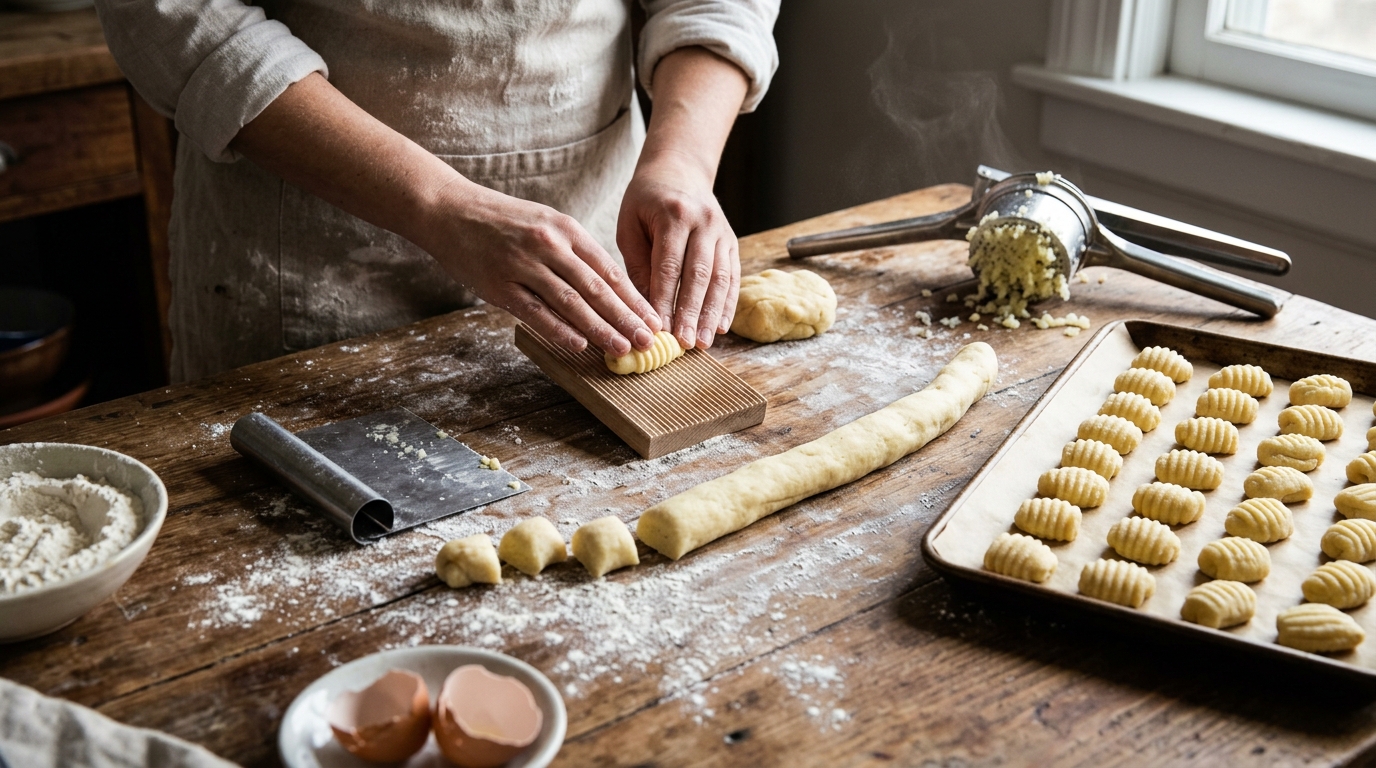
Are you tired of spending hours in the kitchen only to end up with a plate of gnocchi that falls apart at the slightest touch? Say goodbye to the frustration and disappointment because I’ve got you covered! Making gnocchi that holds its shape and texture is not as difficult as it may seem. With a few simple tips and tricks, you can elevate your gnocchi game and impress your family and friends with perfectly pillowy and delicious potato dumplings. Get ready to become a gnocchi master in no time with these foolproof techniques that will ensure your gnocchi stays intact and delights your taste buds every time you make them.
Ingredients You’ll Need for Perfect Gnocchi
Gnocchi is a classic Italian dish that requires just a few simple ingredients to create delicious, pillowy pasta dumplings. To make the perfect gnocchi, you will need:
1. Potatoes: Choose starchy potatoes like russets, as they help create a light and fluffy texture in the gnocchi.
Flour: All-purpose flour is typically used in gnocchi recipes to bind the dough together. Be sure not to overwork the dough to avoid tough gnocchi.
Eggs: Eggs act as a binder in gnocchi dough, helping to hold the ingredients together and provide structure.
Salt: A pinch of salt enhances the flavors of the gnocchi and the overall dish.
Optional Additions: Some recipes may call for additional ingredients like ricotta cheese or semolina flour to add extra flavor or texture to the gnocchi.
Step-by-Step Guide to Making Gnocchi
1. Prepare the Potatoes: Start by boiling potatoes until they are soft. Peel the potatoes while they are still warm and then mash them thoroughly. It’s crucial to work with the potatoes while they are warm to ensure a smooth and lump-free dough.
Add Flour and Eggs: In a large mixing bowl, combine the mashed potatoes with flour and eggs. The exact measurements may vary depending on the recipe you are following, but the goal is to achieve a dough that is soft but not sticky. Be careful not to overwork the dough, as this can result in tough gnocchi.
Shape the Gnocchi: Take small portions of the dough and roll them into long ropes on a floured surface. Cut the ropes into bite-sized pieces and shape them using a fork or gnocchi board to create ridges that will help the sauce adhere better.
Cook the Gnocchi: Bring a large pot of salted water to a gentle boil. Drop the gnocchi into the water in batches, being careful not to overcrowd the pot. The gnocchi is ready when it floats to the surface, which usually takes just a couple of minutes. Remove them with a slotted spoon and proceed to cook the remaining batches.
Tips for Achieving Gnocchi That Holds Its Shape
Use the Right Potatoes: For gnocchi that holds its shape well, opt for starchy potatoes like Russets. These potatoes have less moisture content, resulting in a lighter and fluffier gnocchi texture.
Avoid Overworking the Dough: When mixing the potato, flour, and egg mixture, be careful not to overwork the dough. Overworking can lead to tough gnocchi that may not hold its shape during cooking.
Proper Rolling Technique: To ensure your gnocchi holds its shape, roll the dough gently and evenly. Avoid applying too much pressure, as this can compact the dough and affect the final texture of the gnocchi.
Choose the Right Cooking Method: Boiling gnocchi gently in salted water is the traditional method, but you can also pan-fry or bake gnocchi for a different texture. Experiment with different cooking methods to find what works best for you.
Flavorful Sauce Ideas to Pair with Gnocchi
1. Tomato Basil Sauce: A classic choice, the tanginess of tomatoes combined with the freshness of basil creates a vibrant sauce that complements the soft texture of gnocchi perfectly. Simmering tomatoes, garlic, and basil together with a hint of olive oil results in a simple yet delicious topping for your gnocchi.
Pesto Sauce: Pesto, a rich and herbaceous sauce made from basil, pine nuts, garlic, Parmesan cheese, and olive oil, adds a burst of flavor to your gnocchi. Its creamy consistency coats the potato dumplings beautifully, providing a luxurious and aromatic dining experience.
Brown Butter Sage Sauce: For a more decadent option, consider pairing your gnocchi with a brown butter sage sauce. The nutty flavor of browned butter combined with the earthy essence of sage creates a sophisticated and indulgent sauce that elevates the humble gnocchi into a gourmet dish.
Creative Variations on Traditional Gnocchi
Gnocchi is a versatile dish that can be customized in various ways to suit different tastes and preferences. One creative variation is using sweet potatoes or pumpkin in place of regular potatoes to add a unique flavor profile to the dish. The sweetness of these alternatives can complement savory sauces or work well with a touch of cinnamon and nutmeg for a more autumnal twist.
Another interesting variation is incorporating different herbs and spices into the gnocchi dough. Fresh basil, parsley, or chives can infuse the dumplings with fresh, aromatic notes, while adding garlic or Parmesan directly into the dough can elevate the overall flavor profile. Additionally, experimenting with gluten-free flour or alternative flours like whole wheat or buckwheat can result in gnocchi with a different texture and taste, perfect for those with dietary restrictions or looking for a unique twist on this classic dish.
Section 7: Serving and Storing Your Homemade Gnocchi
Serving: Once you have prepared your homemade gnocchi, it’s time to serve them up in a delicious way. You can simply toss them in your favorite sauce, whether it’s a classic marinara, creamy alfredo, or a simple garlic butter. Garnish with fresh herbs like basil or parsley for an extra burst of flavor. Consider adding some grated Parmesan cheese on top for that perfect finishing touch.
Storing: If you have leftover gnocchi or want to prepare them in advance, proper storage is key to maintaining their texture and flavor. To store uncooked gnocchi, place them in a single layer on a baking sheet and freeze until solid, then transfer to a freezer-safe bag or container. Cooked gnocchi can be stored in an airtight container in the refrigerator for up to 3 days. When ready to enjoy, simply reheat them in a pan with a bit of olive oil or butter until warmed through.