
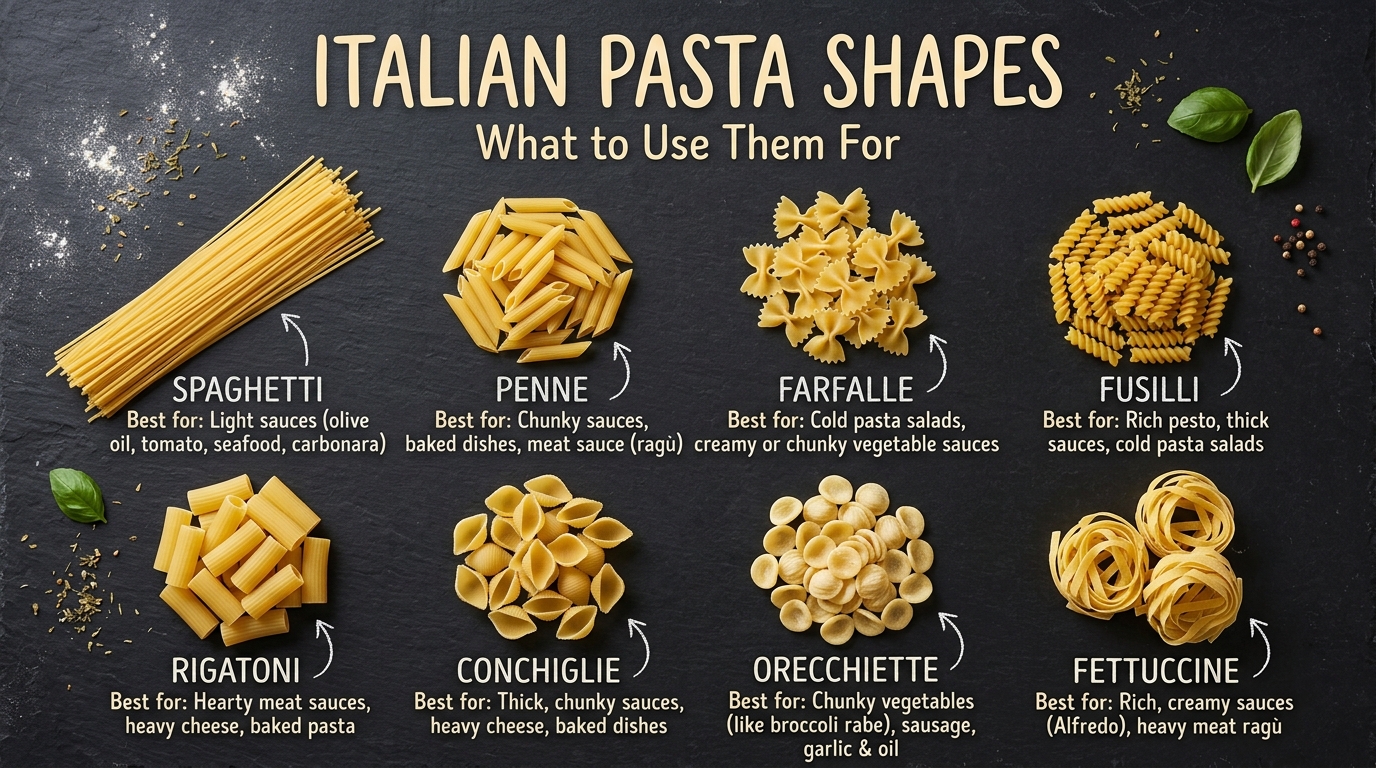
Ready to dive into the delicious world of Italian pasta shapes? From classic spaghetti to quirky farfalle, each shape serves a unique purpose in the art of pasta-making. Understanding the characteristics of different pasta shapes can elevate your culinary skills to new heights, allowing you to pair the right pasta with the perfect sauce for a truly unforgettable dining experience. So, whether you’re a pasta enthusiast looking to expand your knowledge or just someone curious about the fascinating world of Italian cuisine, this guide will unravel the mysteries behind various pasta shapes and provide insights on how to make the most out of each one in your kitchen. Let’s embark on a pasta-filled journey that will leave your taste buds craving for more!
Long Pasta Shapes
Spaghetti: Arguably the most well-known long pasta shape, spaghetti is a thin cylindrical noodle that is versatile and pairs well with a variety of sauces. It is commonly served with tomato-based sauces, seafood, or simple olive oil and garlic.
Fettuccine: A wider noodle, fettuccine is popular in dishes such as Fettuccine Alfredo, where its broad shape can hold creamy sauces. It is also delicious when paired with hearty meat sauces or seafood.
Linguine: Similar to spaghetti but wider, linguine is often used with seafood or pesto sauces. Its flat shape allows it to cling well to sauces, making it a favorite in Italian cuisine.
Short Pasta Shapes
Short pasta shapes are versatile and come in various forms, each with its own unique texture and flavor. Some popular short pasta shapes include penne, fusilli, farfalle, and rigatoni. Penne, with its cylindrical shape and ridges, is great for holding onto thick sauces, while fusilli’s spiral shape pairs well with both creamy and chunky sauces. Farfalle, also known as bowtie pasta, is perfect for light sauces or pasta salads, thanks to its butterfly shape. Rigatoni, with its wide tubes, is excellent for capturing chunky vegetable or meat sauces.
Short pasta shapes are ideal for dishes where the sauce needs to cling to the pasta, ensuring each bite is full of flavor. Their compact size also makes them suitable for baked pasta dishes like casseroles or macaroni and cheese. Experimenting with different short pasta shapes can add a fun and dynamic element to your pasta dishes, allowing you to explore various textures and flavor combinations.
Stuffed Pasta Shapes
Stuffed pasta shapes are a delightful variation in the world of pasta, offering a surprise filling encased in a pasta pocket. One of the most famous examples is ravioli, which consists of two layers of thin pasta dough enclosing a savory filling, typically made with cheese, meat, or vegetables. The filling can vary greatly depending on the region and personal preferences, making stuffed pasta a versatile and customizable option for pasta lovers.
Tortellini is another popular stuffed pasta shape, originating from the Emilia-Romagna region of Italy. These small, ring-shaped pastas are traditionally filled with a mixture of meat, Parmesan cheese, and herbs. Tortellini are often served in a clear broth, making them a comforting and satisfying dish. Other stuffed pasta shapes include agnolotti, cappelletti, and mezzelune, each offering a unique combination of flavors and textures that elevate the pasta-eating experience.
Pasta Shapes for Soups
Pasta shapes for soups are specifically designed to complement and enhance the overall soup experience. These shapes are often small and bite-sized, allowing them to be easily scooped up with a spoon along with the broth and other ingredients. Common pasta shapes for soups include orzo, small shells, ditalini, and small macaroni.
Orzo, resembling grains of rice, is popular in soups like minestrone and chicken noodle soup. Small shells are perfect for holding onto pieces of vegetables and meat, adding texture to each spoonful. Ditalini, small and tubular, is commonly used in pasta e fagioli and pasta e ceci. Small macaroni, often found in pasta e piselli, provides a satisfying bite in every mouthful. Choosing the right pasta shape for your soup can elevate the dish and create a delightful eating experience.
Pairing Pasta Shapes with Sauces
Pairing Pasta Shapes with Sauces is essential in creating delicious and harmonious dishes. The right combination can elevate the overall flavor and texture of the meal. For instance, light and delicate sauces like pesto or olive oil-based sauces work best with long and thin pasta shapes such as spaghetti or linguine. The smooth surface of these noodles allows the sauce to cling to them, ensuring every bite is flavorful.
On the other hand, thicker and more robust sauces, like ragù or bolognese, pair well with short and ridged pasta shapes like penne or rigatoni. The nooks and crannies in these pasta shapes are perfect for trapping chunky meat or vegetable-based sauces, providing a satisfying and hearty bite. Understanding the relationship between pasta shapes and sauces can help you create perfectly balanced and delicious pasta dishes every time.
Conclusion and Final Tips
Conclusion: Understanding the variety of Italian pasta shapes can greatly enhance your culinary skills and help you create delicious and authentic dishes. From long pasta shapes like spaghetti and fettuccine to short shapes like penne and rigatoni, each type of pasta serves a specific purpose and pairs best with certain sauces.
Final Tips: When cooking pasta, be sure to use a large pot with plenty of water to prevent sticking. Remember to salt the water generously to season the pasta from the inside out. Additionally, always follow the recommended cooking times on the package for the best results. Experiment with different pasta shapes and sauces to discover your favorite combinations, and don’t be afraid to get creative in the kitchen!