
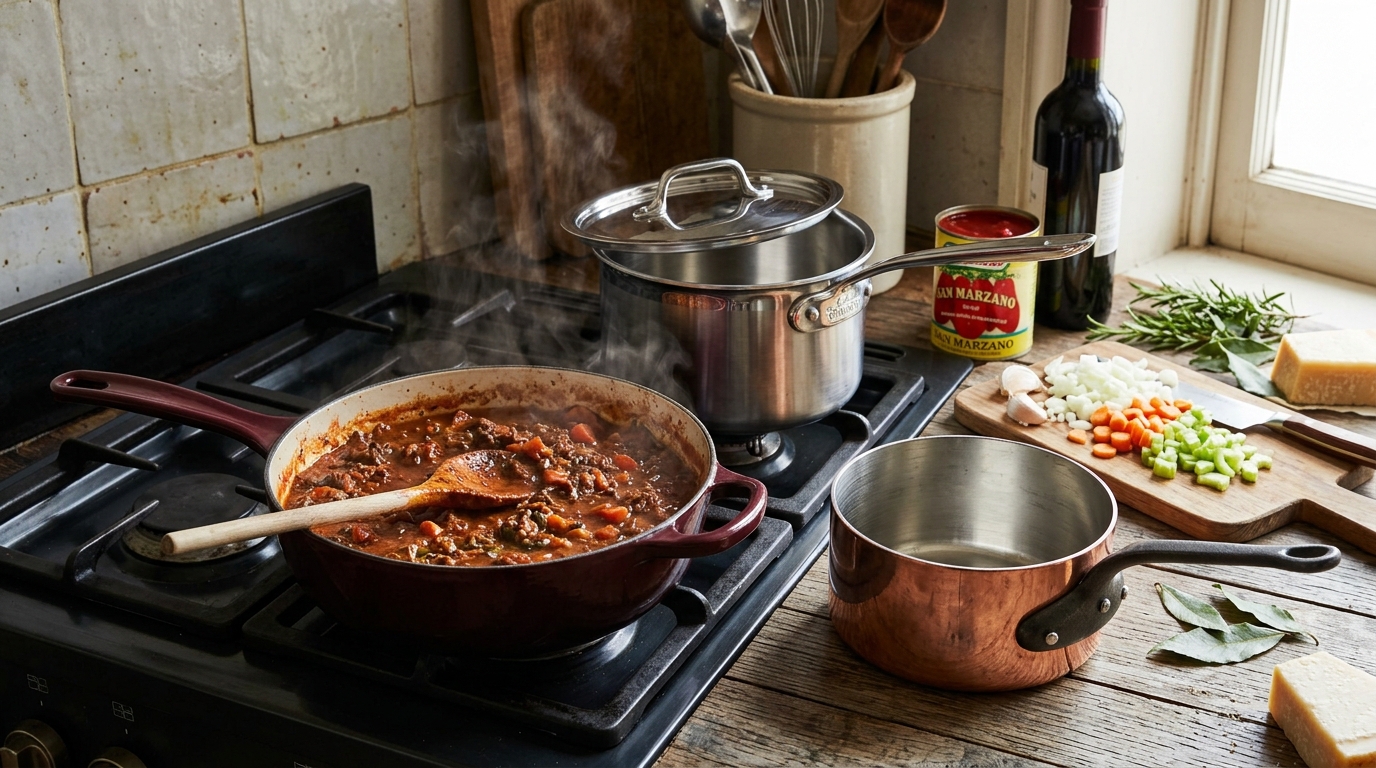
Imagine the tantalizing aroma of a rich and hearty ragù simmering on your stovetop for hours, filling your kitchen with warmth and flavor. To achieve the perfect slow-cooked ragù, you need the best saucepan that can withstand long hours of gentle cooking without scorching or uneven heat distribution. The right saucepan can make all the difference in achieving that melt-in-your-mouth texture and depth of flavor that we all crave in a classic ragù. So, let’s dive into the world of saucepans and explore some top contenders that will help you create the most delicious slow-cooked ragù that will have your family and friends coming back for seconds.Benefits of Using Saucepans for Slow-Cooked Ragù
Using saucepans for slow-cooked ragù offers several benefits that enhance the flavor and texture of the dish. The design of saucepans allows for even heat distribution, ensuring that the ingredients cook uniformly and simmer gently. This slow cooking process helps to develop rich flavors as the ingredients meld together over time, resulting in a more complex and delicious ragù.
Furthermore, saucepans with tight-fitting lids help to retain moisture and flavors within the pot, preventing the dish from drying out during the long cooking process. The depth of saucepans also allows for better sauce reduction, resulting in a thick and concentrated ragù with intensified flavors. Overall, using saucepans for slow-cooked ragù is a traditional and effective method that yields a hearty and comforting dish that is perfect for any occasion.
Top Picks: Saucepans for Slow-Cooked Ragù
1. Cuisinart Chef’s Classic Stainless 4-Quart Saucepan: This saucepan is made of stainless steel with an aluminum encapsulated base for even heat distribution. It features a tight-fitting lid to trap moisture and flavors, ideal for slow-cooking ragù. The riveted handle stays cool during cooking, and the saucepan is oven-safe up to 500°F.
Le Creuset Enameled Cast Iron Saucepan: Known for its durability and heat retention, this enameled cast iron saucepan is perfect for slow-cooking ragù. The vibrant enamel exterior resists chipping and cracking, while the sand-colored interior enamel makes it easy to monitor cooking progress. The saucepan is compatible with all stovetops, including induction, and is dishwasher safe for easy cleanup.
How to Choose the Right Saucepans for Slow-Cooked Ragù
Material: When choosing saucepans for slow-cooked ragù, opt for materials that distribute heat evenly such as stainless steel, copper, or aluminum. These materials help prevent hot spots and ensure that your ragù cooks evenly.
Size: Consider the size of the saucepan based on the quantity of ragù you typically cook. A larger saucepan allows for more ingredients and easier stirring, while a smaller one may be sufficient for smaller batches.
Lid: Look for saucepans with tight-fitting lids to trap moisture and flavor during the slow-cooking process. This helps intensify the taste of the ragù and keeps it from drying out.
Handles: Choose saucepans with sturdy, heat-resistant handles for easy handling and maneuvering, especially when the saucepan is full. Make sure the handles are securely attached for safety and convenience.
Tips for Cooking Delicious Ragù in Saucepans
1. Choose the right ingredients: To make delicious ragù in saucepans, start by selecting high-quality ingredients. Use fresh tomatoes, aromatic herbs, and good quality ground meat for the best flavors. Don’t forget to include a splash of red wine for depth of flavor.
Take your time: Ragù is a dish that benefits from slow cooking. Allow the sauce to simmer gently on low heat for several hours to develop rich flavors and a thick, luxurious texture. Stir occasionally to prevent sticking and ensure even cooking.
Season carefully: Seasoning is key to a great ragù. Taste the sauce as it cooks and adjust the seasoning with salt, pepper, and a pinch of sugar if needed. Remember, flavors will intensify as the sauce reduces, so it’s best to start with a light hand and add more as needed.
Maintenance and Care of Saucepans for Slow-Cooked Ragù
Proper maintenance and care of your saucepans are essential to ensure their longevity and performance when cooking slow-cooked ragù. After each use, it is important to clean your saucepan thoroughly with warm soapy water and a soft sponge. Avoid using harsh abrasives or metal utensils that can scratch the surface of the pan.
Additionally, to prevent food from sticking and to maintain the non-stick properties of your saucepan, it is recommended to season it regularly with a thin layer of oil or fat and heat it gently before each use. Store your saucepans in a dry and cool place to prevent damage, and avoid stacking them to prevent scratches. Regularly inspect your saucepans for any signs of wear and tear, such as chipping or warping, and replace them if necessary to ensure safe and effective cooking.
After exploring the benefits of using saucepans for slow-cooked ragù, discovering the top picks for saucepans, learning how to choose the right saucepans, and picking up tips for cooking delicious ragù in saucepans, it is clear that saucepans are essential tools for creating mouth-watering ragù dishes. The versatility, heat distribution, and convenience offered by saucepans make them a must-have in any kitchen, especially for those who enjoy slow-cooking.
By maintaining and caring for your saucepans properly, you can ensure their longevity and continued excellent performance. Remember to follow the manufacturer’s instructions for cleaning and storing your saucepans to keep them in top condition. With the right saucepan and proper care, you can continue to enjoy preparing delectable ragù dishes for years to come.