
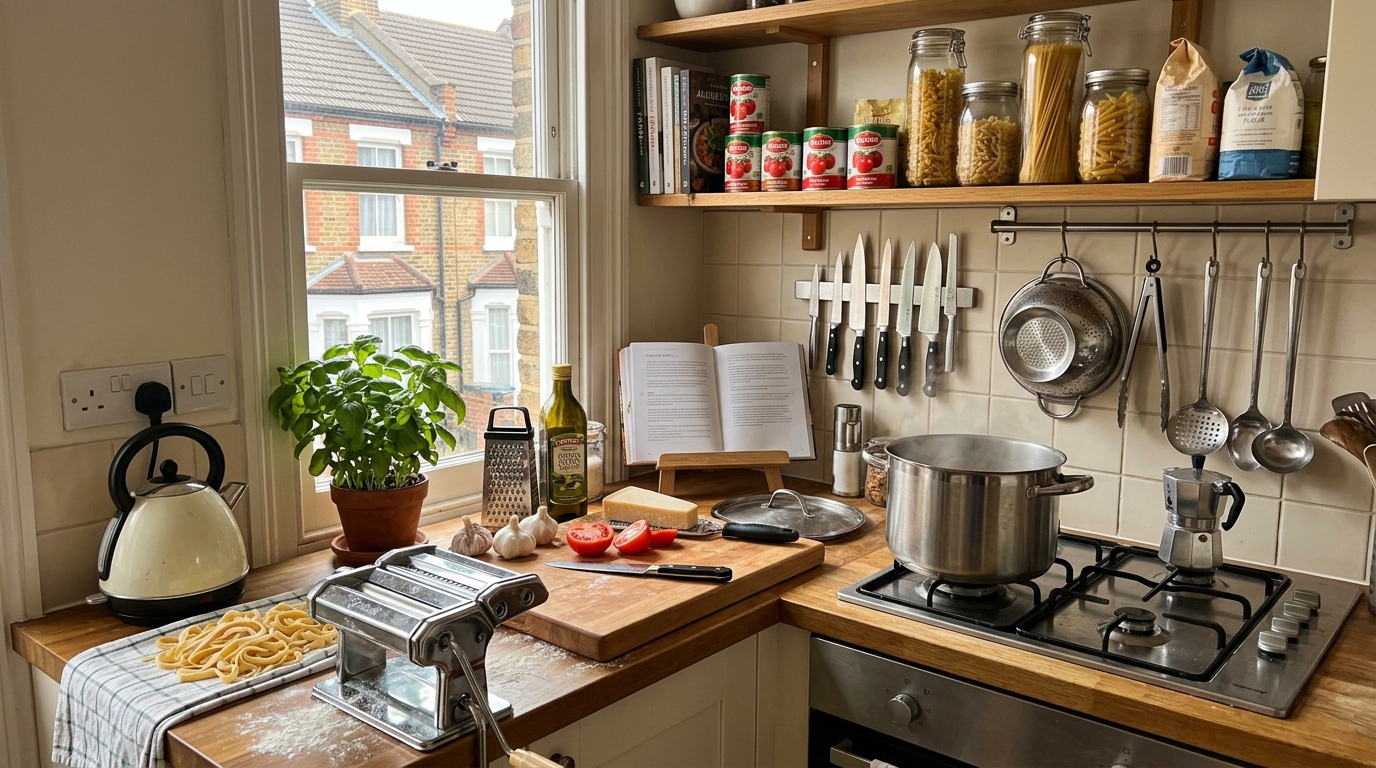
Ready to bring a taste of Italy into your small UK kitchen? Say arrivederci to bland meals and ciao to delicious Italian dishes right in the comfort of your own home. Setting up your kitchen for Italian cooking is easier than you think, even in a limited space. With a few key essentials and some clever organization, you’ll be whipping up homemade pasta, flavorful sauces, and crispy pizzas in no time. So, grab your apron and get ready to transform your kitchen into a little slice of Italy!
Essential Tools and Equipment
Cooking Italian dishes at home requires a few essential tools and equipment to help you prepare authentic and delicious meals. One of the most important tools in any Italian kitchen is a good quality chef’s knife. A sharp and sturdy knife will make it easier to chop vegetables, meat, and herbs with precision and ease.
Another essential tool is a high-quality pasta maker for creating fresh homemade pasta. Whether you prefer spaghetti, fettuccine, or ravioli, a pasta maker will elevate your dishes to a whole new level of authenticity and flavor. Additionally, having a reliable set of pots and pans in various sizes is essential for cooking sauces, soups, and stews.
Key Ingredients for Italian Cooking
Olive Oil: A staple in Italian cuisine, olive oil is used for cooking, dressing salads, and drizzling over finished dishes. Extra virgin olive oil is preferred for its rich flavor and health benefits.
Tomatoes: Tomatoes are essential in Italian cooking, whether fresh, canned, or sun-dried. They are used in sauces, soups, salads, and as a base for many dishes.
Cheeses: Parmigiano-Reggiano, mozzarella, ricotta, and pecorino are just a few of the cheeses commonly used in Italian recipes. Cheeses add flavor, richness, and creaminess to many dishes.
Pasta: Italy is famous for its wide variety of pasta shapes and styles. From spaghetti to penne to lasagna, pasta is a versatile ingredient that can be paired with various sauces and toppings.
Herbs and Spices: Basil, oregano, rosemary, and garlic are frequently used in Italian cooking to add depth of flavor. Fresh herbs are preferred but dried herbs can also be used.
Organizing Your Kitchen Space
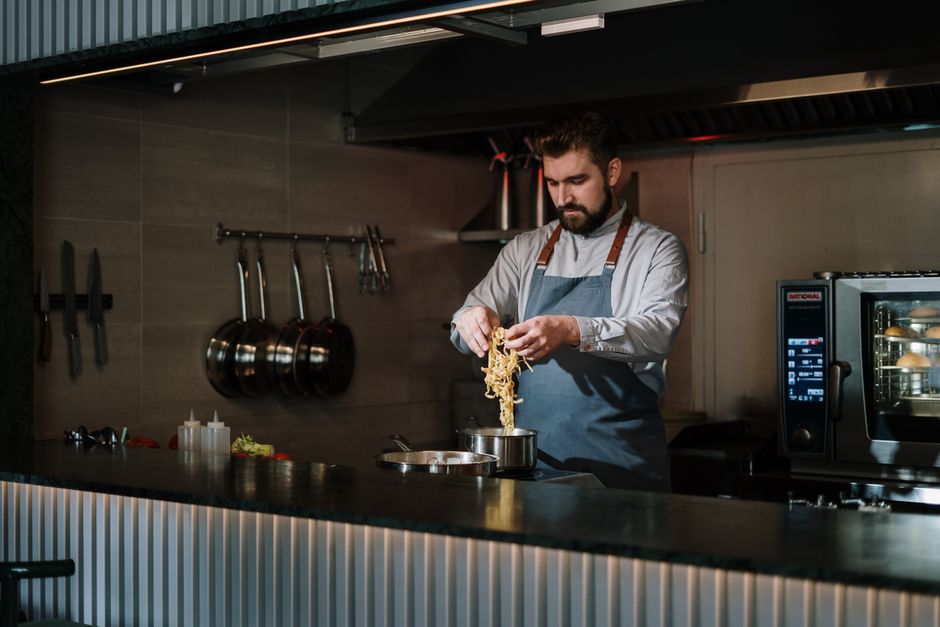
Creating an organized kitchen space is essential for efficient and enjoyable cooking experiences. Start by decluttering your kitchen and getting rid of any items you no longer use or need. Organize your kitchen tools and equipment in a way that makes them easily accessible while cooking. Consider using drawer dividers, hooks, and shelves to maximize storage space and keep everything tidy.
Designate specific areas for different tasks in the kitchen, such as a prep area, cooking area, and cleaning area. Keep frequently used items within reach and less frequently used items in storage areas. Utilize clear containers and labels to help you quickly identify ingredients and maintain an organized pantry. By organizing your kitchen space effectively, you can streamline your cooking process, save time, and create a more enjoyable environment for culinary experimentation.
Planning Your Meals
Meal planning is a crucial step in ensuring a smooth and efficient cooking experience. By taking the time to plan your meals in advance, you can save time, money, and reduce food waste. Start by creating a weekly meal plan that includes a variety of dishes to keep things interesting. Consider incorporating seasonal ingredients and balancing different flavors and textures for a well-rounded menu.
When planning your meals, take into account your schedule for the week and plan accordingly. Prepare meals that can be made in advance or are quick and easy for busy days. Make a shopping list based on your meal plan to ensure you have all the necessary ingredients on hand. By planning ahead, you can streamline your cooking process and enjoy delicious homemade meals throughout the week.
Recipes to Try
Looking to expand your Italian culinary repertoire? Here are a few classic recipes that you can try at home. Start with a simple yet delicious pasta dish like Spaghetti Aglio e Olio, which features garlic, olive oil, and red pepper flakes for a burst of flavor. If you’re a fan of risotto, consider making a creamy and comforting Risotto alla Milanese, flavored with saffron and Parmesan cheese.
For a hearty main course, try your hand at making Osso Buco, a traditional Milanese dish made with braised veal shanks in a rich tomato and vegetable sauce. If you’re in the mood for something sweet, why not bake a classic Tiramisu? This popular dessert features layers of espresso-soaked ladyfingers and a creamy mascarpone filling, topped with cocoa powder for a touch of bitterness.
Tips for Authentic Italian Cooking
Embrace simplicity: Authentic Italian cooking focuses on using high-quality, fresh ingredients and letting their natural flavors shine. Avoid overcomplicating dishes with too many ingredients or elaborate techniques. Instead, opt for simple recipes that highlight the quality of each component.
Respect tradition: Italian cuisine is deeply rooted in tradition, so it’s essential to respect the cultural heritage of each dish. Take the time to learn about the history and origins of different Italian recipes, and try to follow traditional methods as closely as possible. Whether it’s mastering the art of making fresh pasta or perfecting a classic ragu, honoring tradition is key to authentic Italian cooking.