
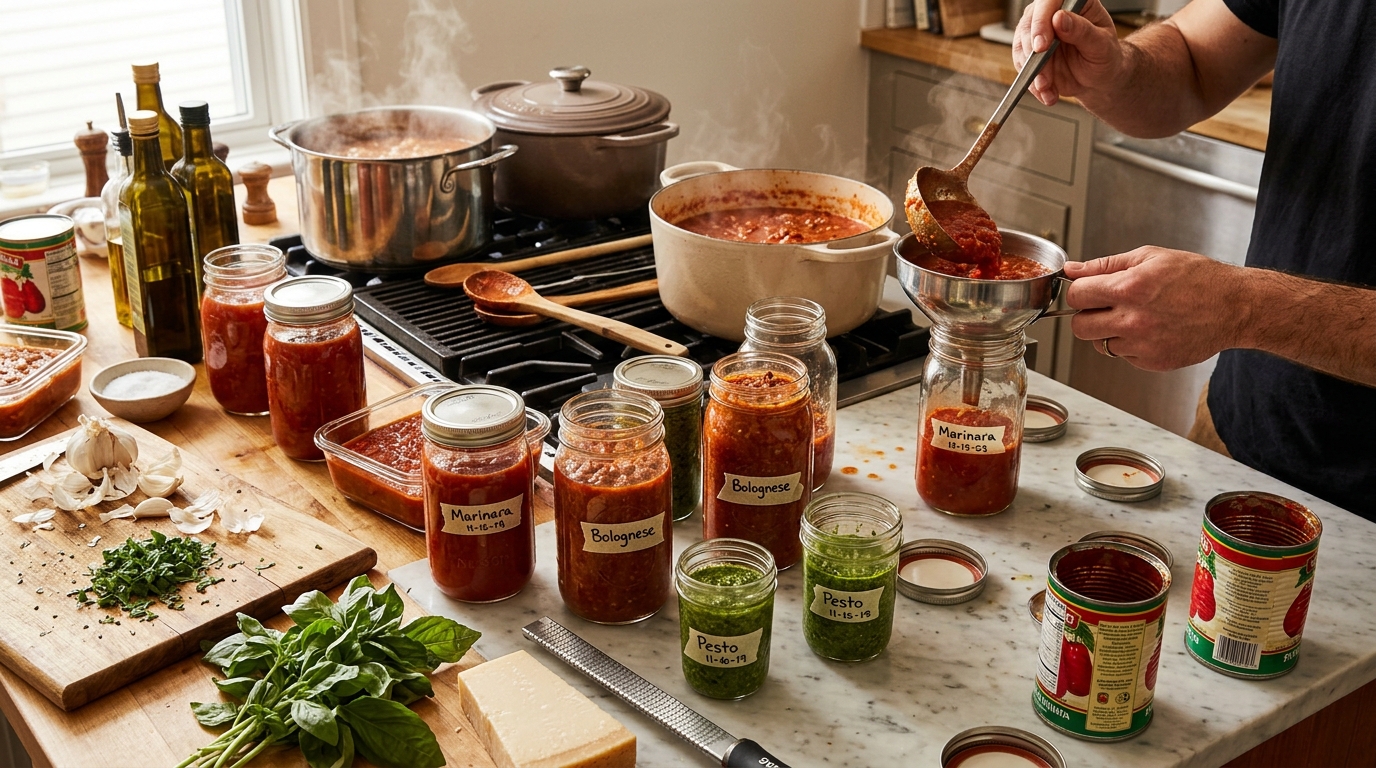
Ready to elevate your meal prep game to the next level? Say goodbye to boring weeknight dinners with the mouthwatering flavors of Italian cuisine at your fingertips. With the art of batch cooking sauces, you can transform simple ingredients into gourmet meals throughout the week. Imagine coming home to a kitchen filled with the aroma of rich marinara, creamy alfredo, and zesty pesto, all ready to be paired with your favorite pasta, meats, or veggies. Embrace the convenience and deliciousness of Italian meal prep with these versatile sauces that will have you feeling like a culinary maestro in your own home.
Benefits of Batch Cooking Sauces
Save Time: Batch cooking sauces can significantly cut down your time spent in the kitchen. By preparing a large batch of sauce in one go, you can have ready-made sauces on hand for multiple meals throughout the week.
Cost-Effective: Making sauces in bulk often works out to be more cost-effective as you can take advantage of buying ingredients in larger quantities, which can be cheaper per unit. Additionally, batch cooking allows you to reduce food waste by using up ingredients efficiently.
Essential Ingredients for Italian Sauces
Tomatoes: The base of many Italian sauces, tomatoes are essential for creating rich and flavorful marinara sauces. Whether using fresh tomatoes or canned varieties, the quality of tomatoes can significantly impact the final taste of the sauce.
Olive Oil: A staple in Italian cooking, olive oil is often used as the base for sautéing onions, garlic, and other aromatics before adding tomatoes or other ingredients. Opt for extra-virgin olive oil for a more robust flavor profile.
Garlic and Onions: These aromatic ingredients provide depth and complexity to Italian sauces. Whether minced finely or chopped coarsely, garlic and onions add savory notes that enhance the overall taste of the sauce.
Herbs and Spices: Italian sauces often feature a blend of herbs such as basil, oregano, parsley, and thyme, along with spices like red pepper flakes or black pepper. These ingredients contribute to the distinctive Italian flavor profile of the sauces.
Recipes for Marinara Sauce
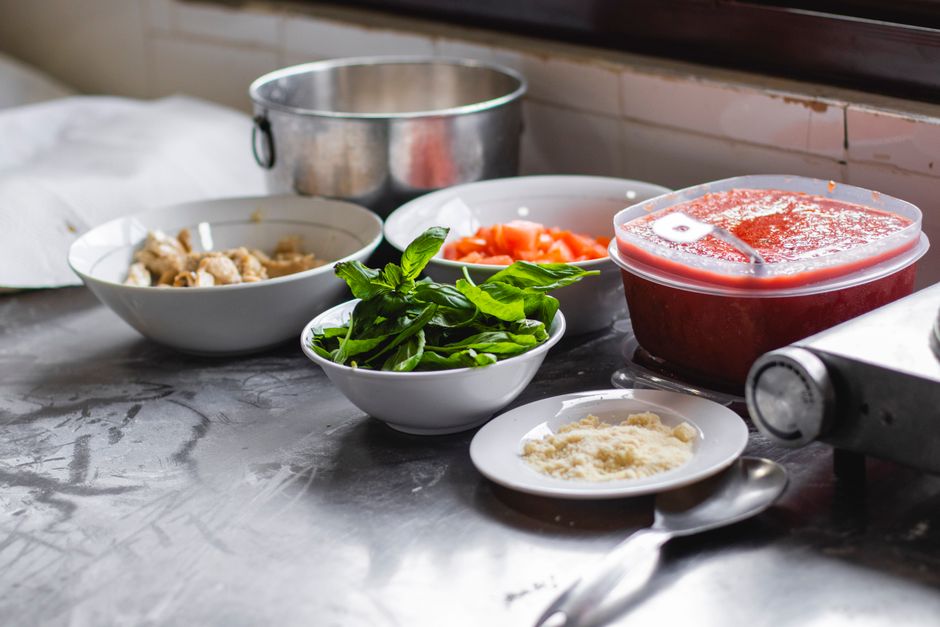
Classic Marinara Sauce: To make a traditional marinara sauce, heat olive oil in a large saucepan over medium heat. Add minced garlic and cook until fragrant. Stir in crushed tomatoes, a pinch of sugar, salt, pepper, and dried herbs like oregano and basil. Simmer the sauce for about 20-30 minutes until it thickens. Serve over your favorite pasta.
Chunky Marinara Sauce: For a chunkier version, start by sautéing diced onions and bell peppers in olive oil until softened. Add crushed tomatoes, garlic, salt, pepper, and Italian seasoning. Let the sauce simmer for 15-20 minutes to allow the flavors to meld. This chunky marinara is perfect for topping meatballs or as a dipping sauce for breadsticks.
Recipes for Pesto Sauce
Pesto sauce is a classic Italian sauce known for its vibrant green color and fresh flavors. It is traditionally made with fresh basil, pine nuts, garlic, Parmesan cheese, and olive oil. To make pesto sauce, start by blending fresh basil leaves, pine nuts, and garlic in a food processor until finely chopped. Gradually add olive oil while blending until the mixture forms a smooth paste. Finally, stir in grated Parmesan cheese and season with salt and pepper to taste.
One popular variation of pesto sauce is the addition of sun-dried tomatoes, which adds a sweet and tangy flavor to the sauce. You can also experiment with different herbs like parsley or cilantro for a unique twist on the traditional recipe. Pesto sauce is incredibly versatile and can be used as a pasta sauce, pizza topping, sandwich spread, or even as a marinade for grilled meats. It is best enjoyed fresh but can also be stored in an airtight container in the refrigerator for up to a week.
Recipes for Alfredo Sauce
Alfredo sauce is a rich and creamy sauce that pairs perfectly with pasta dishes. Here are two classic recipes for Alfredo sauce:
Classic Alfredo Sauce Recipe:
This recipe calls for simple ingredients such as butter, heavy cream, and Parmesan cheese. To make the sauce, melt butter in a saucepan, then add the cream and simmer until it thickens slightly. Finally, stir in the Parmesan cheese until it melts and the sauce is smooth. Season with salt and pepper to taste and toss with cooked pasta for a decadent meal.
Garlic Alfredo Sauce Recipe:
For a flavorful twist on the classic Alfredo sauce, try adding garlic to the mix. In this recipe, you’ll sauté minced garlic in butter before adding the cream and Parmesan cheese. The garlic infuses the sauce with a delicious aroma and taste, elevating the dish to a whole new level. This garlic Alfredo sauce is perfect for pasta dishes with shrimp, chicken, or vegetables.
Tips for Storing and Reheating Sauces
Proper storage: When storing sauces, ensure they are completely cooled before transferring them to airtight containers. Refrigerate promptly to prevent bacterial growth. Label containers with the date to keep track of freshness. For longer storage, consider freezing sauces in freezer-safe bags or containers.
Reheating techniques: To reheat sauces, gently warm them on the stovetop over low heat to prevent burning or separating. Stir occasionally to ensure even heating. Avoid microwaving sauces at high temperatures, as this can cause them to become watery or lose their texture. Add a splash of water or broth if the sauce has thickened during storage.