
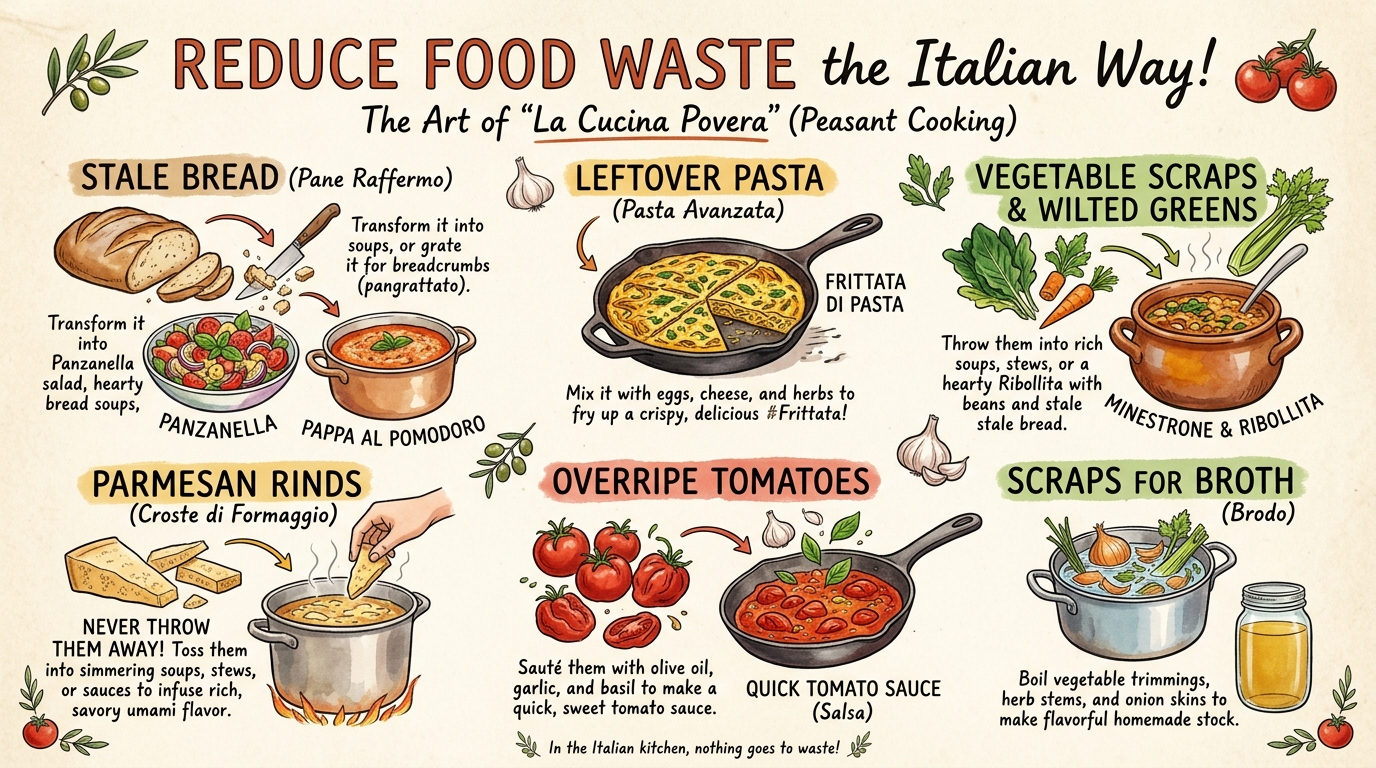
Are you tired of throwing away spoiled food every week? Say ciao to food waste with the delicious and sustainable art of Italian cooking! This culinary tradition not only delights the taste buds but also offers clever ways to make the most of your ingredients, ensuring nothing goes to waste. From transforming stale bread into mouthwatering bruschetta to turning leftover vegetables into hearty minestrone soup, Italian cuisine provides a treasure trove of recipes that embrace resourcefulness and creativity in the kitchen. Embrace the Italian approach to cooking and say arrivederci to food waste for good!
Understanding Food Waste
Food waste refers to the discarding or wastage of food that is still suitable for human consumption. It is a significant global issue with far-reaching environmental, social, and economic impacts. One of the main reasons for food waste is the lack of awareness and understanding of the consequences of wasteful practices.
Understanding the various stages of food waste, from production to consumption, is crucial in addressing this issue effectively. Food waste occurs at every stage of the food supply chain, including farming, processing, distribution, retail, and household levels. By identifying the root causes of food waste and implementing targeted solutions, individuals and organizations can make a positive impact in reducing food waste and promoting sustainability.
Tips for Reducing Food Waste
Plan your meals: Before heading to the grocery store, take some time to plan your meals for the week. This will help you buy only what you need and avoid purchasing items that may end up going to waste.
Proper storage: Store perishable items like fruits, vegetables, and dairy products in the refrigerator to extend their shelf life. Use airtight containers or resealable bags to keep food fresh for longer periods of time.
Utilize leftovers: Get creative with leftovers by incorporating them into new dishes. Leftover vegetables can be used in stir-fries or soups, while cooked meats can be added to salads or sandwiches. This not only reduces food waste but also saves you time and money.
Importance of Italian Cooking
Italian cooking is renowned worldwide for its rich flavors, fresh ingredients, and cultural significance. It emphasizes the use of simple, high-quality ingredients to create delicious and satisfying dishes. Italian cuisine is not only about food but also about the experience of sharing meals with loved ones and celebrating life.
Furthermore, Italian cooking promotes sustainability by making use of seasonal produce and minimizing food waste. By focusing on enhancing the natural flavors of ingredients through cooking techniques like slow simmering, roasting, and braising, Italian cuisine showcases the importance of respecting food and its origins.
Using Leftovers in Italian Dishes
Italian cuisine is renowned for its ability to create delicious meals out of simple, fresh ingredients, including leftovers. Utilizing leftovers in Italian dishes not only helps reduce food waste but also adds depth and flavor to your meals. One of the key principles of Italian cooking is to make the most out of every ingredient, ensuring that nothing goes to waste.
Leftover pasta can be transformed into a flavorful frittata by mixing it with eggs, cheese, and any extra vegetables or meats you have on hand. Risotto made with leftover vegetables or proteins can be shaped into arancini, fried rice balls that are crispy on the outside and creamy on the inside. Stale bread can be transformed into a delicious panzanella salad by soaking it in water, squeezing out the excess liquid, and mixing it with fresh tomatoes, cucumbers, basil, and a simple vinaigrette.
Recipes to Reduce Food Waste
Using leftovers creatively: One effective way to reduce food waste is to repurpose leftovers into new and exciting dishes. For example, leftover vegetables can be used to make a hearty vegetable soup or a flavorful stir-fry. Leftover meats can be turned into delicious sandwiches or added to pasta dishes. By thinking creatively and experimenting with different combinations, you can transform leftovers into tasty meals that help minimize waste.
Zero-waste cooking techniques: Embracing zero-waste cooking techniques can also help reduce food waste in the kitchen. For instance, using vegetable peels and scraps to make homemade broth or stock is a great way to extract maximum flavor from ingredients that are often discarded. Additionally, learning how to properly store and preserve food can extend the shelf life of ingredients, preventing them from spoiling prematurely. By incorporating these techniques into your cooking routine, you can make a positive impact on the environment while enjoying delicious meals.
Food waste is a significant issue that affects not only our wallets but also the environment. By being mindful of our consumption habits and making use of ingredients efficiently, we can play a part in reducing food waste. Through this guide, you have learned about the importance of minimizing food waste, particularly in the context of Italian cooking.
Remember that small changes in our daily routines, such as meal planning, proper storage, and creative use of leftovers, can make a big difference in the amount of food we throw away. By incorporating the tips and recipes provided in this guide into your cooking practices, you can contribute to a more sustainable and environmentally friendly way of living. Let’s work together to reduce food waste and create a more conscious food culture.