
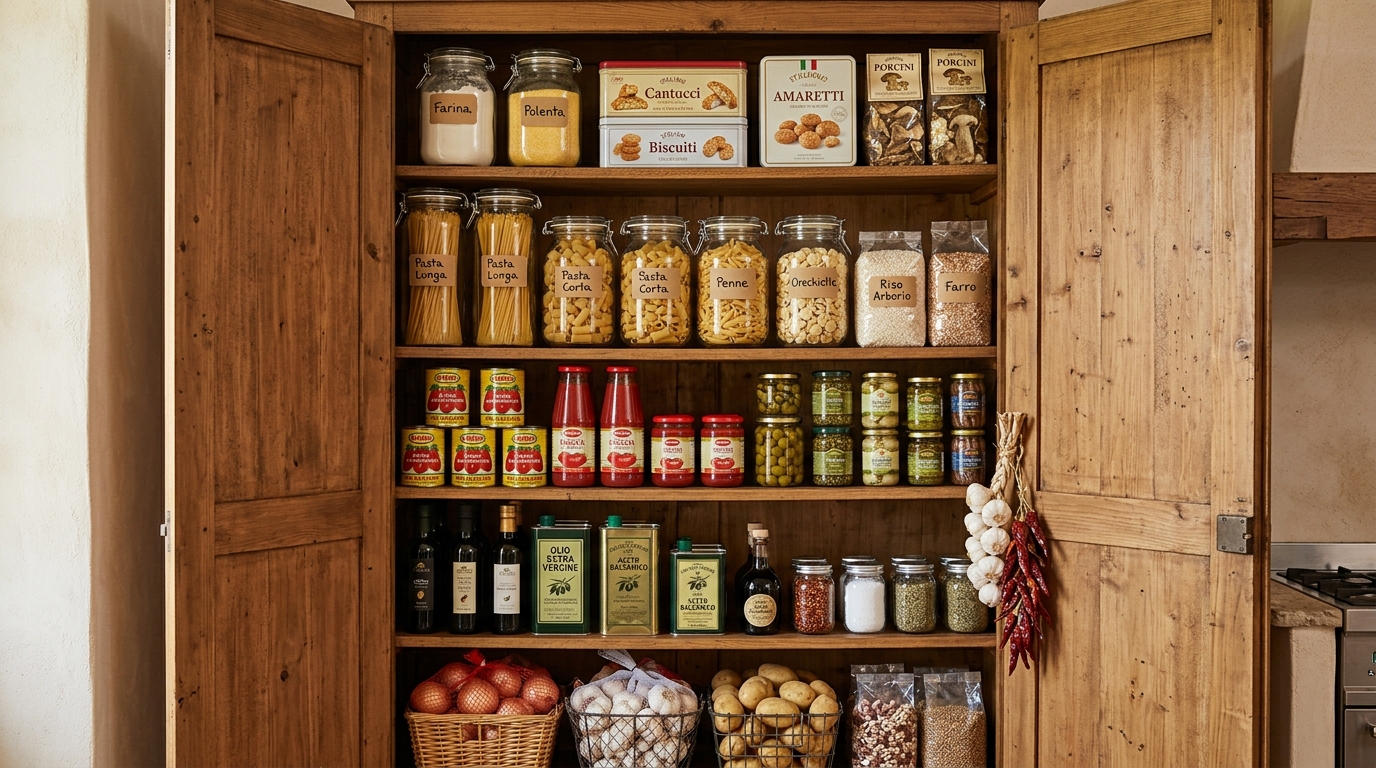
Are you constantly searching for that elusive jar of pasta sauce or box of risotto rice in your pantry cupboard? Say ciao to the chaos and benvenuto to organization with our guide on how to organize an Italian pantry cupboard. With a few simple tips and tricks, you can transform your cluttered cupboard into a well-organized space that will make cooking your favorite Italian dishes a breeze. From arranging your pasta varieties by shape to creating designated zones for oils, vinegars, and spices, we’ll show you how to create a pantry that would make Nonna proud. Get ready to bring a touch of Italy into your kitchen and simplify your cooking routine with a beautifully organized pantry cupboard that will inspire you to whip up delicious Italian meals with ease.
Essential Ingredients
Building a solid foundation for your cooking endeavors requires having essential ingredients on hand at all times. These foundational items are versatile and can be used in a wide variety of dishes. Common essential ingredients include olive oil, salt, pepper, garlic, onions, herbs, and spices. These staples form the base flavors that enhance the taste of your dishes.
In addition to flavor enhancers, essential ingredients also include pantry items and perishables that form the backbone of many recipes. Items like flour, sugar, eggs, butter, and milk are crucial for baking, while staples like rice, pasta, canned tomatoes, and broth are essential for creating hearty meals. By keeping these ingredients stocked in your kitchen, you can easily whip up delicious meals without the need for last-minute grocery runs.
Storage Tips
Proper storage is key to maintaining the freshness and quality of your ingredients. For pantry items like grains, flour, and sugar, store them in airtight containers in a cool, dry place to prevent moisture and pests. In the refrigerator, keep fruits and vegetables in the crisper drawer to maintain their freshness longer. Make sure to check the temperature settings regularly to ensure optimal storage conditions.
Labeling is an essential part of efficient storage. Clearly label containers with the contents and date of storage to track expiration dates and prevent food waste. Consider using a labeling system that works best for you, whether it’s color-coded labels, masking tape, or reusable chalkboard stickers. Additionally, rotate your stock by placing newer items at the back and older items at the front to use them before they expire.

Organization Ideas
Utilize clear containers: Clear containers help in easily identifying ingredients and keeping track of their quantities. Store items like grains, pasta, and nuts in clear jars or bins to maintain organization and visibility.
Label everything: Labeling is key to efficient organization. Use a label maker or masking tape and a marker to clearly mark each container with the name of the ingredient and its expiration date. This simple step can save time and prevent food waste.
Establish zones: Divide your pantry into zones based on categories such as baking supplies, canned goods, spices, etc. This helps in creating a systematic layout and makes it easier to locate items quickly when cooking or meal planning.
Recipe Inspiration
Looking for new recipe ideas to try out in your kitchen? Look no further! There are countless sources of inspiration available to help you discover delicious dishes to cook. One great way to find new recipes is by browsing through cookbooks from different cuisines or by exploring food blogs and websites. You can also follow your favorite chefs on social media platforms to stay updated on their latest creations. Additionally, cooking shows and YouTube channels can provide step-by-step tutorials for making a wide variety of dishes.
Experimenting with new recipes can be a fun and rewarding experience, allowing you to expand your culinary skills and discover new favorite meals. Don’t be afraid to try out different flavor combinations or cooking techniques to create unique dishes that suit your taste preferences. Whether you’re looking to prepare quick and easy meals for busy weeknights or elaborate dishes for special occasions, there’s no shortage of recipe inspiration out there to help you elevate your cooking game.
Maintenance and Restocking
Maintenance: Keeping track of your inventory is crucial for efficient meal planning and grocery shopping. Regularly update your spreadsheet with new purchases and remove items that have been used up. Take some time each week to review and adjust your inventory to ensure accuracy and avoid overbuying or running out of essential items.
Restocking: When your inventory levels run low on certain items, make a note to restock them during your next shopping trip. Use your spreadsheet to create a shopping list based on what you need to replenish. Consider setting a designated day each week for grocery shopping to stay on top of restocking and ensure you always have the ingredients you need on hand.
In conclusion, effective pantry management is crucial for maintaining a well-functioning kitchen and ensuring that you have the necessary ingredients on hand for cooking and baking. By following the essential ingredients list, storage tips, organization ideas, recipe inspiration, and maintenance and restocking guidelines provided in this resource, you can streamline your pantry workflow and make meal preparation more efficient and enjoyable.
Remember that a well-organized pantry not only saves you time and effort when cooking but also helps reduce food waste by keeping track of expiration dates and inventory levels. With a well-maintained pantry, you can easily plan meals, create shopping lists, and enjoy the convenience of having a well-stocked kitchen at your fingertips. Cheers to a well-organized and efficient pantry that supports your culinary adventures!