
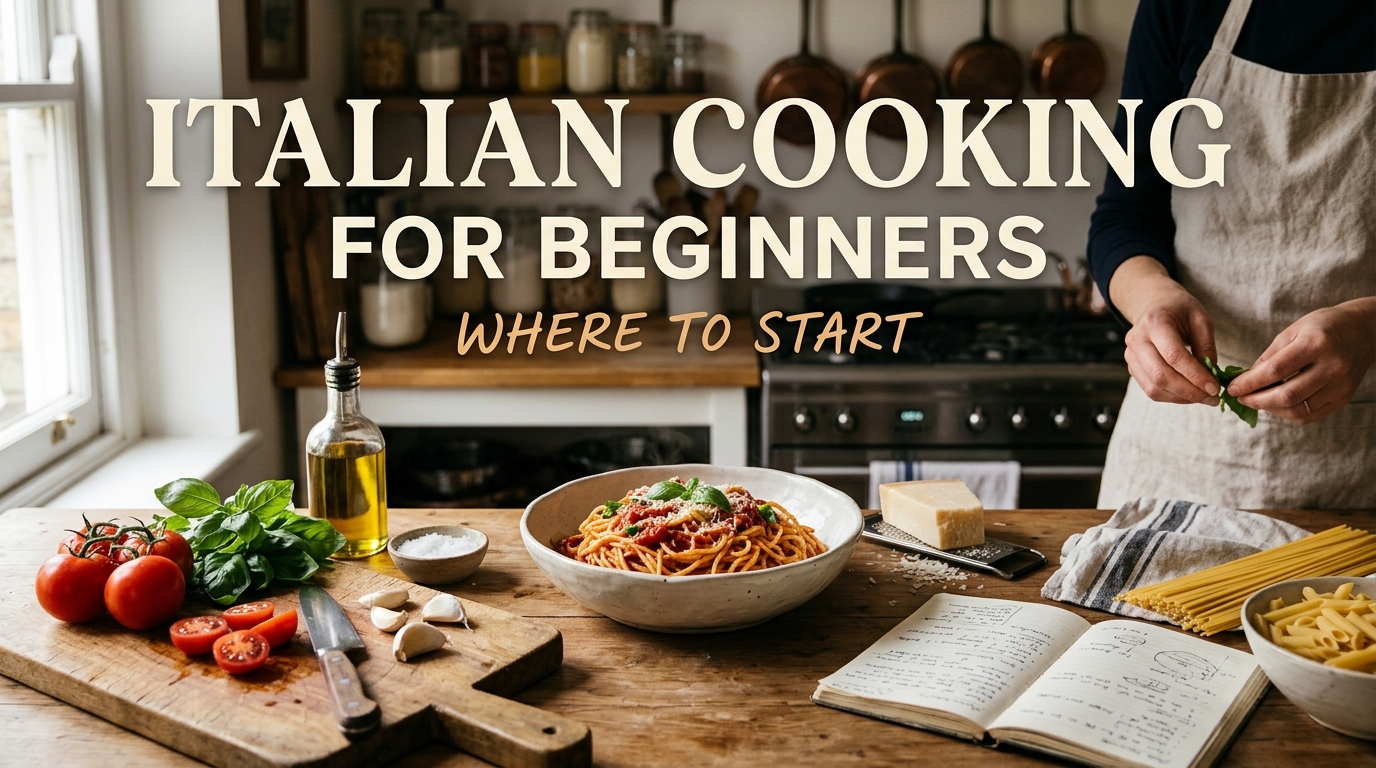
Have you ever been captivated by the tantalizing flavors of Italian cuisine, but felt intimidated by the thought of trying to replicate them in your own kitchen? Fear not, aspiring chefs, for embarking on a journey into the world of Italian cooking can be a delightful and rewarding experience. From the comforting aroma of garlic and herbs to the rich and savory sauces that define so many beloved dishes, Italian cuisine is a celebration of simple ingredients coming together to create culinary masterpieces. If you’re ready to dip your toes into the vast ocean of Italian cooking, let’s explore where to start on this delicious adventure.
Essential Ingredients for Italian Dishes
Italian cuisine is renowned for its simple yet flavorful dishes that rely on high-quality ingredients. To truly capture the essence of Italian cooking, it is essential to stock your pantry with a few key items:
1. Olive Oil: Extra virgin olive oil is a staple in Italian cooking, used for sautéing, dressing salads, and finishing dishes.
Tomatoes: Whether fresh or canned, tomatoes are the base of many Italian sauces, soups, and stews.
Parmesan Cheese: Known as the “King of Cheeses,” Parmesan adds a rich and savory flavor to pasta dishes, risottos, and salads.
Basil: A fragrant herb commonly used in Italian cuisine to add freshness to dishes like Caprese salad, pasta sauces, and pizzas.
Garlic: A fundamental ingredient in Italian cooking, garlic is used to build flavor in sauces, marinades, and meat dishes.
Pasta: From spaghetti to penne, having a variety of pasta shapes on hand allows you to create a wide range of traditional Italian dishes.
Basic Cooking Techniques in Italian Cuisine
Italian cuisine is known for its simple yet flavorful dishes that rely on high-quality ingredients and traditional cooking techniques. One essential technique in Italian cooking is al dente pasta cooking, which means cooking pasta until it is firm to the bite. This technique ensures that the pasta maintains its texture and does not become mushy. Another common technique is soffritto, which involves sautéing a mixture of finely chopped onions, carrots, and celery in olive oil. This base is used in many Italian dishes to add depth of flavor.
Additionally, risotto is a classic Italian dish that requires a specific cooking technique. To make a creamy and flavorful risotto, hot broth is gradually added to the rice while stirring constantly. This process helps release the starch from the rice, creating a rich and velvety texture. Another important technique is bruschetta preparation, where slices of bread are toasted and rubbed with garlic before being topped with fresh tomatoes, basil, and olive oil. Mastering these basic cooking techniques is key to creating authentic and delicious Italian dishes at home.
Popular Italian Recipes for Beginners
Spaghetti Carbonara: A classic Roman dish made with simple ingredients such as spaghetti, eggs, Pecorino Romano cheese, pancetta, and black pepper. The key is to create a creamy sauce by tossing hot spaghetti with a mixture of beaten eggs and cheese, ensuring the eggs don’t scramble.
Bruschetta: An appetizer originating from central Italy, bruschetta is made by grilling slices of bread rubbed with garlic and topped with diced tomatoes, basil, olive oil, and salt. It’s a fresh and flavorful dish that is perfect for a quick and easy starter.
Exploring Regional Cuisines of Italy
Italy’s diverse regional cuisines offer a rich tapestry of flavors and culinary traditions that vary significantly from one region to another. Each region boasts its unique ingredients, cooking techniques, and signature dishes that reflect the local culture, history, and geography. From the hearty, robust dishes of the north to the fresh, seafood-centric cuisine of the south, exploring regional Italian cuisines is a delightful journey through the country’s gastronomic landscape.
Some notable regional cuisines include the rich and creamy risottos of Lombardy, the flavorful pasta dishes of Campania, the bold and spicy flavors of Sicilian cuisine, and the delicate seafood creations of Liguria. By delving into the distinct flavors and culinary traditions of each region, you can gain a deeper appreciation for the diversity and complexity of Italian cuisine. Whether you’re savoring a traditional dish in its place of origin or recreating it at home, exploring regional cuisines is a rewarding way to experience the culinary heritage of Italy.
Tips for Mastering Italian Cooking at Home
1. Start with quality ingredients: One of the key aspects of Italian cooking is using fresh, high-quality ingredients. Invest in good olive oil, tomatoes, cheeses, and herbs to elevate the flavors of your dishes. Look for local and seasonal produce to enhance the authenticity of your Italian meals.
Master pasta-making: Pasta is a staple in Italian cuisine, and mastering the art of making fresh pasta can take your dishes to the next level. Invest in a pasta maker or practice rolling out dough by hand to create authentic, homemade pasta shapes like tagliatelle, ravioli, or orecchiette.
Learn the basics of flavor pairing: Italian cooking is all about balancing flavors and textures. Experiment with classic flavor pairings like tomato and basil, garlic and olive oil, or lemon and capers to create harmonious dishes. Understanding the fundamentals of flavor pairing will help you create well-balanced and delicious Italian meals.
Resources for Further Learning
Online Courses: Enroll in online courses offered by culinary schools or platforms like Coursera and Udemy to deepen your knowledge of Italian cooking. These courses cover a wide range of topics from basic techniques to advanced recipes, allowing you to learn at your own pace.
Cookbooks: Invest in reputable Italian cookbooks written by renowned chefs or experts in Italian cuisine. These cookbooks provide detailed recipes, cooking tips, and insights into the cultural significance of different dishes, helping you expand your culinary skills.
Culinary Workshops: Attend culinary workshops or cooking classes focused on Italian cuisine. These hands-on experiences allow you to learn directly from experienced chefs, practice new techniques, and interact with fellow food enthusiasts, enhancing your understanding of Italian cooking.
Food Tours: Embark on food tours in Italy or in your local area to explore authentic Italian ingredients, dishes, and culinary traditions. These tours offer a unique opportunity to taste regional specialties, visit local markets, and immerse yourself in the rich gastronomic heritage of Italy.